
Breaking into the vibrant Nigerian music industry requires more than just raw talent; it demands strategic positioning, a unique identity, and a deep understanding of what listeners and streaming algorithms crave. With the global explosion of African sounds, emerging acts face a landscape brimming with opportunity and fierce competition.
As part of the Artist Spotlight series on Gossiphome.ng, curated by Adimche Ugochukwu Lambert, this guide breaks down the top music genres offering the fastest and most sustainable routes to visibility for upcoming Nigerian artists.
1. Afropop and Afro-fusion: The Mainstream Gateway
Afropop and its fluid sibling, Afro-fusion, remain the undisputed kings of the Nigerian airwaves. For an upcoming artist, this category offers the widest net because it blends traditional African percussion with pop structures, highlife melodies, and contemporary R&B elements.
-
Why it works: It is versatile and radio-friendly. Artists like Rema, Fireboy DML, and BNXN built their early momentum by creating infectious, mid-tempo melodies that appeal to both local street curators and international streaming playlist editors.
-
Pro Tip: Focus heavily on your hook. In Afropop, a sticky, memorable chorus cuts through the noise faster than intricate verses.
2. Amapiano & “Afropiano”: The Instant Crowd-Pleasers
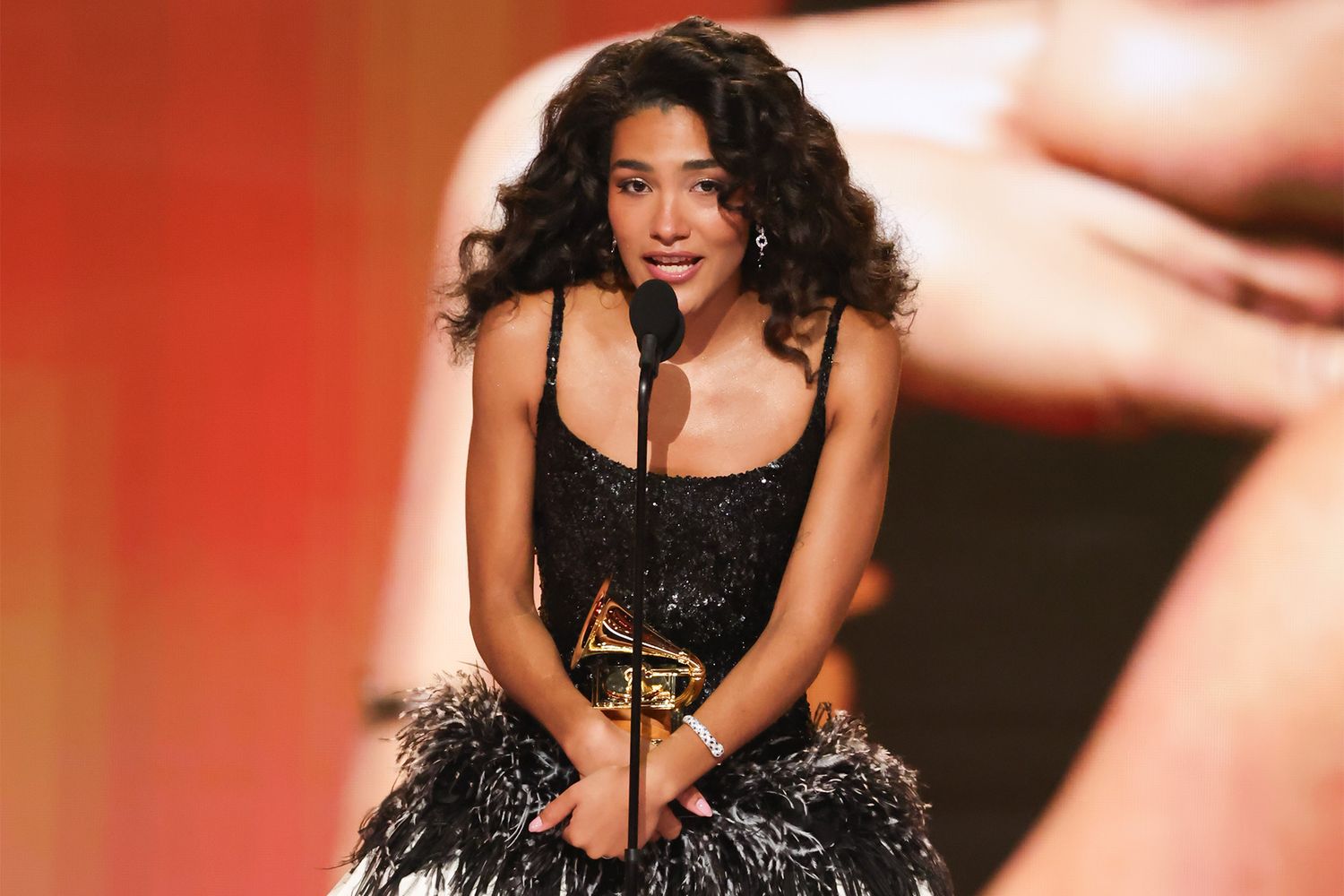
Originating from South Africa but heavily localized and re-engineered in Nigeria, Amapiano (often fused with Nigerian log-drums and street slang) remains a dominant force for rapid club and party penetration.
-
Why it works: People want to dance. Tracks built on the signature percussive log-drums have an immediate psychological effect on listeners. If you can ride an Amapiano beat with catchy vernacular or street-centric storytelling (similar to Asake’s blueprint), your path to going viral on TikTok and Instagram Reels becomes significantly shorter.
-
Pro Tip: Pair your Amapiano release with high-energy visual content or viral dance challenges to maximize algorithmic reach.
READ ALSO: X Palz Artist Profile: Port Harcourt’s Rising Star Confirms Debut Album ‘FELI FELI’
3. Alternative R&B and Soul: The Niche Cult-Followership
If high-energy club anthems aren’t your natural lane, alternative R&B and mood-driven soul offer a powerful alternative. Nigeria’s underground scene has experienced a massive renaissance, with fans increasingly craving vulnerable, introspective lyricism.
-
Why it works: While mainstream adoption might take slightly longer, alt-R&B fans are fiercely loyal. Artists who lean into moody, atmospheric sounds build tight-knit communities that translate into high streaming retention, critical acclaim, and international sync placements.
-
Pro Tip: Focus on pristine vocal production and immersive storytelling. Lyrics that touch on modern urban love, mental health, and existential youth experiences thrive here.
4. Nigerian Hip-Hop & Trap: The Underground Resurgence
Nigerian hip-hop is undergoing a fierce underground renaissance. A new wave of lyricists and alternative rappers are defying the notion that “rap doesn’t sell in Nigeria” by blending hard-hitting indigenous bars with trap and drill elements.
-
Why it works: The audience for raw, bar-heavy music is hungry, vocal, and deeply supportive of authentic lyricists. Platforms like underground blogs, community showcases, and specialized playlists actively scout for fresh hip-hop talent.
-
Pro Tip: Find your niche identity—whether it’s indigenous rap (like Igbo trap or Yoruba street hop) or conscious lyricism—and build a community around your pen game.
ALSO CHECK: Step-by-step Music Career Strategy: The Actionable Blueprint for Independent Artists
Final Thoughts from Gossiphome TV
Choosing a genre shouldn’t just be about chasing trends; it should align with your natural vocal texture and personal brand. The fastest-rising artists are those who master a primary genre while borrowing elements from others to create a signature hybrid sound.
Stay consistent, leverage digital distribution, and keep tuning in to Gossiphome.ng for more industry insights and artist spotlights brought to you by Adimche Ugochukwu Lambert.
This video provides an insightful look into the trending sounds and emerging acts currently capturing the pulse of the Nigerian music scene.