

The Ultimate Honolulu Travel & Survival Guide: How to Conquer Oahu Like a Pro
By Gossiphome TV for Travel Articles
Honolulu strikes a rare balance between high-octane city energy and serene tropical paradise. Between towering rainforest-draped peaks, world-class surf, rich history, and a legendary food scene, Oahu’s bustling capital is a dream destination.
However, traveling to an island in the middle of the Pacific comes with its own unique set of unwritten rules, cultural expectations, and logistical hurdles. Whether you are touching down for a weekend escape or a full week of sun, Gossiphome TV has assembled the essential Honolulu travel and survival guide to ensure your Hawaiian getaway goes off without a hitch.
1. Honolulu Survival Rulebook: Essential Local Protocols
Navigating Honolulu isn’t just about packing board shorts and flip-flops (known locally as slippers). To keep your trip stress-free, cost-effective, and respectful, keep these golden rules in mind:
-
Protect the Marine Life (Use Reef-Safe Sunscreen): Traditional sunscreens containing oxybenzone and octinoxate are illegal in Hawaii due to the harm they cause to delicate coral reefs. Buy mineral-based, reef-safe sunscreen (active ingredients: zinc oxide or titanium dioxide) upon arrival.
-
Respect the Malama Spirit & Marine Laws: Never touch, ride, or corner sea turtles (Honu) or Hawaiian monk seals. Standard distance guidelines require staying at least 10 feet away from turtles and 50 feet away from seals. Stepping on coral can result in hefty fines and ruins the ecosystem.
-
Book Major Attractions Weeks in Advance: Spots for Pearl Harbor’s USS Arizona Memorial, the Diamond Head Crater hike, and Hanauma Bay Snorkel State Park sell out days or weeks ahead. Do not expect to walk up on the day of your visit.
-
Protect Your Valuables: Honolulu is generally very safe for violent crime, but rental car break-ins happen frequently at popular beach parks and trailheads. Leave non-essentials at your hotel and keep all belongings out of plain sight.
2. Top Experiences You Can’t Miss
| Attraction | Why You Need to Go | Expert Tip |
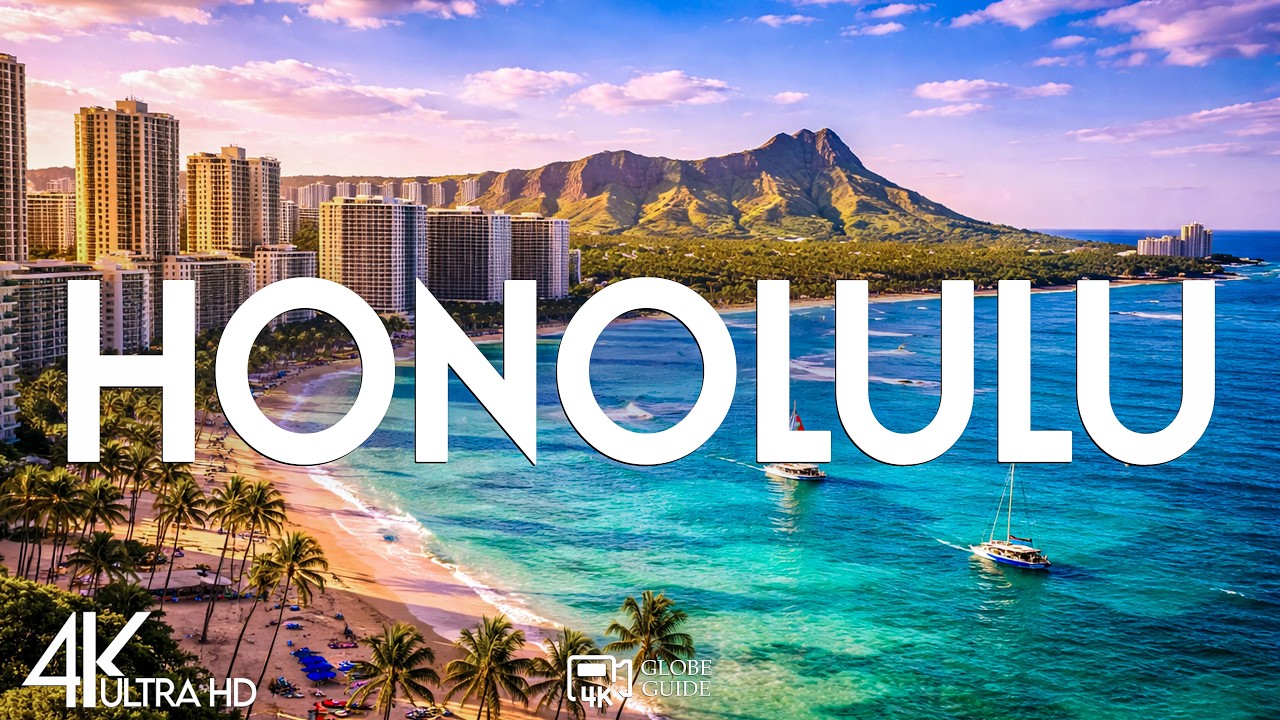
| Waikiki Beach | Iconic golden sand framed by Diamond Head crater. Gentle waves make it world-famous for beginner surf lessons. | Catch the sunset from the beach near House Without A Key or grab a spot along the seawall. |
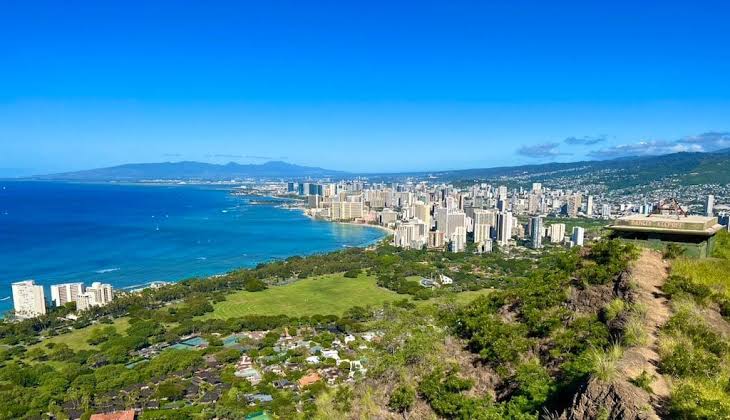
| Diamond Head (Lēʻahi) | A steep 0.8-mile trail leading to panoramic 360-degree views of Honolulu’s skyline and ocean. | Reserve the 6:00 AM entry slot to beat the intense midday heat and avoid parking delays. |
| Pearl Harbor National Monument | Sobering historical site housing the USS Arizona, USS Missouri, and aviation museums. | Boat transfers to the USS Arizona Memorial are free, but online reservations ($1 fee) are required. |
| North Shore Day Trip | A short drive away, home to giant winter surf swells, historic Haleiwa town, and food trucks. | Stop by Matsumoto Shave Ice and grab fresh garlic shrimp from the local trucks. |
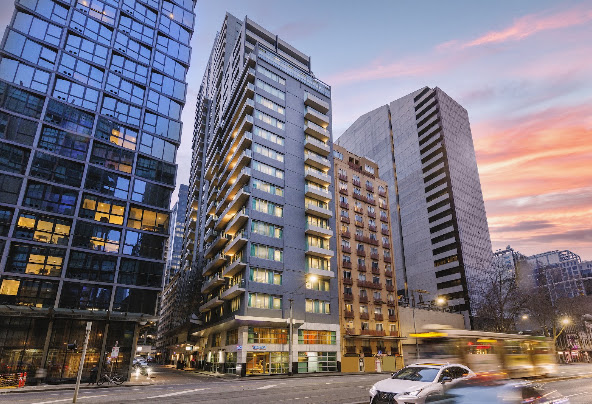
ALSO CHECK: Best Hotels in Melbourne CBD & Southbank: Where to Stay for Every Budget
3. How to Eat Like a Local (And Stay On Budget)
While fine dining on Kalakaua Avenue is easy to come by, the real culinary heart of Oahu lies in casual mom-and-pop shops and local markets.
-
Fresh Poke: Don’t skip fresh, marinated raw ahi poke. Skip overpriced hotel menus and grab yours at local staples like Ono Seafood, Maguro Spot, or even the deli counter at local Foodland grocery stores (which rivals sit-down restaurants).
-
Plate Lunch Culture: Try traditional Hawaiian and Asian-fusion classics like loco moco, kalua pork, or chicken katsu served with two scoops of rice and macaroni salad. Check out Highway Inn in Kakaʻako or Yama’s Fish Market.
-
Steer Clear of the Tourist Core: Dining within a block of Waikiki Beach comes with a steep premium. Walking 10–15 minutes inland or exploring the culinary neighborhood of Kapahulu or Chinatown will save you roughly 30% on food costs.
4. Smart Logistical & Financial Advice
-
Getting Around: You don’t need a rental car for every day of your stay. If staying in Waikiki, walk, use ride-shares, or take “TheBus” (Honolulu’s award-winning public transit network). Rent a car for just 1–2 days to explore the North Shore, Windward Coast, and Kualoa Ranch.
-
Hydration & Sun: The tropical sun is deceivingly intense. Carry a reusable water bottle—bottled water at tourist sites can cost up to $5 each, and sun exposure combined with humidity will dehydrate you quickly.
-
Seasonal Planning: High season runs from June to September and December through April. For lower room rates and smaller crowds, target shoulder seasons: mid-April to early June or September to mid-December.
The Verdict
Honolulu isn’t just a place to lay on a sunbed—it’s a vibrant city rooted in culture, natural wonder, and community. By planning ahead, respecting the island, and venturing beyond the resort pool, you’ll experience a getaway that’s equal parts relaxing and thrilling.
For more travel breakdowns and insider destination reviews, keep tuning in to Gossiphome TV!


Pingback: Beyond Waikiki: The Secret Local’s Guide to Oahu’s Hidden Gems & Cultural Etiquette - Gossiphome TV