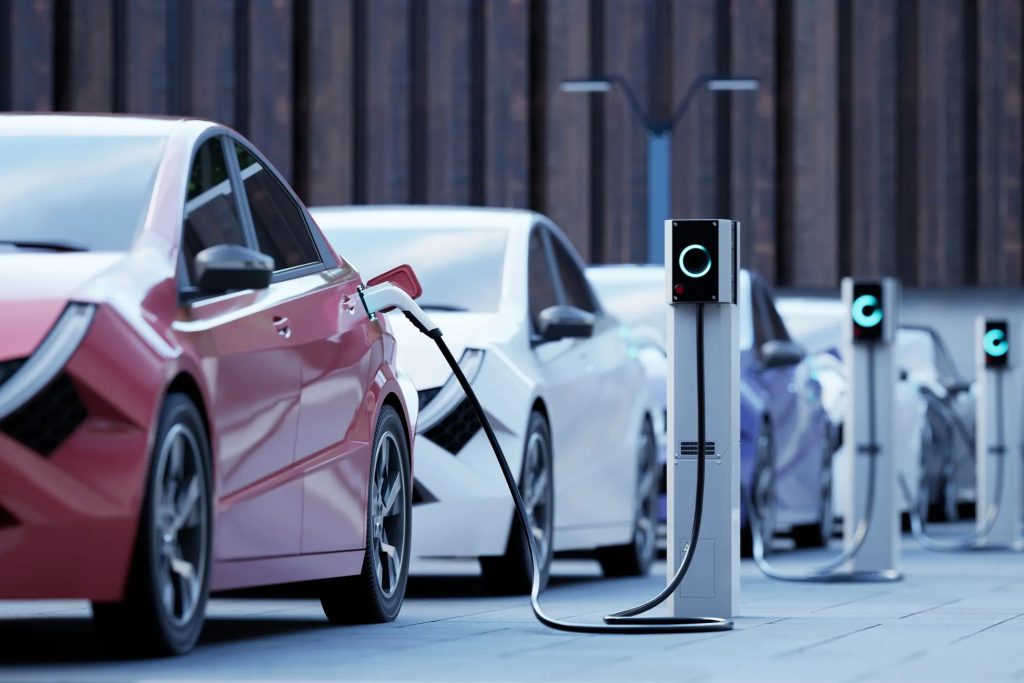

Driving Green: Top 10 EV Integration Transportation Companies in Nigeria and Their Founders
Nigeria is witnessing a pivotal transition in its transport ecosystem. Driven by rising fuel costs, environmental targets, and advancements in renewable energy, electric vehicle (EV) integration has moved from a speculative trend to a fully operational industry. Local manufacturers, fleet operators, and tech innovators are building assembly lines, charging networks, and battery-swapping ecosystems tailored to West African terrain.
Below is an overview of the top 10 EV integration and transportation companies pioneering zero-emission mobility across Nigeria, along with the visionaries behind them.
1. MAX (Metro Africa Xpress)
-
Founder(s): Adetayo Bamiduro and Chinedu Azodoh
-
Headquarters: Lagos
-
Core Focus: Electric two-wheelers ($M3$ bikes), three-wheelers, battery swapping, and driver asset financing.
Originally founded as a logistics and ride-hailing app, MAX transitioned heavily into clean mobility. By introducing subscription and rent-to-own financing options alongside a network of battery-swap stations, MAX has empowered tens of thousands of commercial riders to switch from internal combustion engines (ICE) to electric power.
2. Jet Motor Company
-
Founder(s): Chidi Ajaere
-
Headquarters: Lekki, Lagos
-
Core Focus: Commercial electric buses (Jet Mover), electric delivery vans, and fleet integration.
Jet Motor Company manufactures high-torque, lithium iron phosphate ($LiFePO_4$)-powered commercial vehicles. Its flagships—the Jet Mover EV buses and cargo vans—have been integrated into major logistics operations like GIG Logistics, serving as a operational proof-of-concept for long-range commercial electric transit in West Africa.
3. SAGLEV Electromobility
-
Founder(s): Dr. Sam Olugbenga Faleye
-
Headquarters: Imota, Lagos
-
Core Focus: Electric sedan, SUV, and pickup assembly, charging network expansion, and fleet conversion.
Operating a dedicated assembly facility in Lagos, SAGLEV assembles both luxury and mass-market EVs (including brands like Voyah and Nammi). Led by Dr. Sam Faleye, SAGLEV focuses on fleet sales for ride-hailing services, corporate fleets, and transit systems while aggressively deploying fast-charging infrastructure in Lagos and Abuja.

4. Innoson Vehicle Manufacturing (IVM)
-
Founder(s): Chief Innocent Chukwuma
-
Headquarters: Nnewi, Anambra State
-
Core Focus: Mass transit electric buses, light passenger cars (e.g., IVM EX02), and hybrid systems.
As Nigeria’s pioneer indigenous automaker, Innoson expanded its line to include fully electric hatchbacks and city transit buses. Leveraging existing local assembly capacity, IVM’s EV division supports municipal transit transitions and state government green mobility initiatives.
ALSO CHECK: The Future of Mobility Fintech in Nigeria: Key Trends, EV Integration & Regulatory Shifts
5. Siltech (Savenhart Investment Limited Technology)
-
Founder(s): Tolu Williams
-
Headquarters: Lagos
-
Core Focus: Custom EV battery architecture, electric trikes/bikes, quad bikes, and solar charging hub design.
Siltech acts as both an EV manufacturer and a clean tech infrastructure provider. Famous for its long-range Falcon electric three-wheeler, Siltech builds solar-powered charging kiosks across major metropolitan hubs to keep delivery fleets operational without relying entirely on grid electricity.
6. Electric Motor Vehicle Company (EMVC)
-
Founder(s): Prince Mustapha Audu
-
Headquarters: Idu Industrial Area, Abuja
-
Core Focus: Affordable urban EVs, electric tricycles (Igwe), mini-sedans (Adoja series), and state empowerment partnerships.
EMVC delivers accessible, locally assembled electric mobility solutions targeting northern and central Nigeria. With key state partnerships, including the Nasarawa State empowerment program, EMVC deploys electric tricycles and mini-sedans for rural and intra-city public transport.
7. Possible EVs / NEV Electric
-
Founder(s): Mosope Olaosebikan
-
Headquarters: Abuja
-
Core Focus: Electric taxi fleets, CabZero ride-hailing ecosystem, EV technician training, and public charging hubs.
Mosope Olaosebikan launched Nigeria’s pioneer fully electric taxi service in Abuja. Expanding into NEV Electric, the company runs integrated charging hubs, the CabZero platform, and specialized “Green Upskill” programs designed to train Nigerian mechanics on EV maintenance.
8. Spiro (Equitane Group)
-
Leader(s): Backed by Equitane Group / Jules Samain (Regional Leadership)
-
Operational Hub: Ogun State Plant / Pan-African Operations
-
Core Focus: Electric motorcycle mass deployment, automated battery swap stations, and urban micro-transit.
Spiro expanded its pan-African footprint into Nigeria with a multi-million dollar assembly investment in Ogun State. Focused heavily on commercial two-wheelers, Spiro’s swap model allows riders to exchange depleted batteries for charged ones in under two minutes.
9. Roxettes Motors (Roxettes Eco-Drives Ltd)
-
Founder(s): Dr. Kaycee Orji
-
Headquarters: Abia / Lagos
-
Core Focus: Multi-fuel passenger mobility, CNG-EV hybrid systems, and commercial fleet integration.
Under the leadership of architect and industrialist Dr. Kaycee Orji, Roxettes Motors integrates zero-emission systems into public transport networks. The company operates assembly lines tailored for high-capacity passenger transport, prioritizing low-maintenance electric powertrains suitable for West African road conditions.
10. Trekk Scooters
-
Founder(s): Isaac Kamalu
-
Headquarters: Lagos
-
Core Focus: University micro-mobility, app-based electric scooter sharing, and geo-fenced campus transit.
Trekk pioneered micro-EV sharing across Nigerian tertiary institutions, including Lagos State University (LASU) and Pan-Atlantic University. Using QR-code smartphone unlocks and geo-fenced speed limit controls, Trekk addresses short-distance, intra-campus transport needs cleanly and economically.
Market Comparison Overview
| Company | Key Founder/Leader | Primary Vehicle Type | Core Innovation |
| MAX | Adetayo Bamiduro & Chinedu Azodoh | E-Motorcycles & Trikes | Rent-to-Own Financing + Swap Stations |
| Jet Motor Co. | Chidi Ajaere | Commercial Buses & Vans | High-Torque $LiFePO_4$ Heavy Fleets |
| SAGLEV | Dr. Sam Olugbenga Faleye | Sedans, SUVs & Pickups | High-Capacity Local Assembly & Fast Chargers |
| IVM | Chief Innocent Chukwuma | Mass Transit & Hatchbacks | Indigenous Scale Manufacturing |
| Siltech | Tolu Williams | Trikes & Custom Battery Hubs | Off-Grid Solar Swap Infrastructure |
| EMVC | Prince Mustapha Audu | Tricycles & Mini Sedans | Government/State Empowerment Integration |
| Possible / NEV | Mosope Olaosebikan | E-Taxis & Micro-Buses | CabZero App & Technician Academy |
| Spiro | Equitane Group | Two-wheelers | Mass Pan-African Swap Network |
| Roxettes Motors | Dr. Kaycee Orji | Hybrid & Commercial EVs | Multi-energy Passenger Systems |
| Trekk | Isaac Kamalu | E-Scooters | App-Based Micro-Mobility Sharing |
Key Tech Trends Reshaping Nigerian EV Adoption
-
Battery Swapping Over Plug-In Charging: Given national grid constraints, companies like MAX, Spiro, and Siltech prioritize swapped battery models, allowing commercial drivers to swap a depleted pack for a full one in minutes.
-
Solar-Powered Charging Hubs: Off-grid charging networks powered by solar microgrids ensure uninterrupted operational uptime for commercial fleets.
-
Asset-Financing Models: Income-contingent financing and pay-as-you-drive structures allow lower-income transport operators to overcome initial vehicle purchase costs.
For more exclusive stories, tech updates, and green energy insights, stay tuned to Gossiphome TV.






Pingback: The Infrastructure & Policy Driving Nigeria's EV Revolution - Gossiphome TV
Pingback: Essential Guidelines on the NADDC Electric Vehicle Policy in Nigeria - Gossiphome TV