


Whether you are stepping foot in Australia for the first time or returning to explore its iconic alleyways, Gossiphome TV brings you the latest, stress-free travel guide to Melbourne. Known as Australia’s capital of culture, coffee, and unpredictable weather, Melbourne is an incredible destination—provided you know how to navigate it smoothly.
Here is everything you need to make your journey completely seamless, alongside essential survival guidelines for your trip.
1. Getting There: The Easiest Routes & Airport Transfers
Flying into Melbourne
-
Melbourne Airport (Tullamarine – MEL): The primary hub for international and long-haul domestic flights.
-
Avalon Airport (AVV): A smaller airport located closer to Geelong/Great Ocean Road, often serviced by budget domestic carriers.
Effortless Transfers
-
SkyBus Express: The easiest and most reliable connection from Tullamarine Airport to Southern Cross Station in downtown Melbourne. Buses run every 10 to 15 minutes, offering free Wi-Fi and ample luggage space without the high cost of an airport taxi or rideshare surge pricing.
-
Rideshares & Taxis: Uber, DiDi, and standard taxis pick up directly outside all terminals. Expect a 30–45 minute drive to the CBD, depending on traffic.
2. Navigating the City: Public Transport & Getting Around
-
The Free Tram Zone: Within Melbourne’s Central Business District (CBD) and Docklands, all tram rides are completely free. You don’t even need to tap on or off—simply hop on and off as you explore.
-
Myki Card / Contactless Payments: If traveling outside the Free Tram Zone, you’ll need a Myki card (available at stations, convenience stores, or digitally via Google Wallet). Tapping on digital payment systems via credit/debit cards is also widely accepted across Victoria’s transit network.
-
City Circle Tram (Route 35): A heritage tram that circles the city center for free, offering commentary on key landmarks like Parliament House and the Princess Theatre.
3. Essential Melbourne Survival Guidelines
☀️ Weather: Prepare for “Four Seasons in One Day”
Melbourne’s weather is notoriously changeable:
-
The Layer Strategy: Always carry a lightweight jacket or cardigan, even if the morning starts sunny.
-
Sun Protection: The UV index in Australia is notoriously high. Carry sunscreen (SPF 50+) and sunglasses, even on overcast days.
-
Umbrella On-Hand: Sudden afternoon showers are common—keep a compact umbrella in your day bag.
☕ Coffee Culture: Know How to Order
Melbourne takes its coffee seriously. Skip the generic franchise chains and head to local laneway cafes.
-
Flat White: The unofficial national drink—espresso with steamed milk and a thin layer of microfoam.
-
Long Black: Double shot of espresso poured over hot water (stronger than an Americano).
-
Magic: A Melbourne-exclusive order featuring a double ristretto topped with steamed milk in a 5 oz cup.
💳 Payments & Tipping
-
Card-Preferred City: Most venues in Melbourne are cash-free. Contactless card payments or mobile pay (Apple Pay / Google Pay) are accepted almost everywhere.
-
Tipping Culture: Tipping is not mandatory or expected in Australia. A standard 10% tip at fine dining establishments for exceptional service is appreciated, but casual cafes and pubs do not require it.
4. Top Must-See Highlights
-
Hosier Lane & Fitzroy Alleyways: World-renowned street art murals that change regularly.
-
Queen Victoria Market: The largest open-air market in the Southern Hemisphere—ideal for fresh food, local souvenirs, and street food stalls.
-
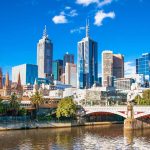
Yarra River & Southbank: Perfect for evening strolls, riverside dining, and skyline views.
-
Royal Botanic Gardens: A tranquil escape just minutes from the busy downtown core.

Pingback: Where to Stay in Melbourne: The Best Neighborhoods for First-Time Visitors - Gossiphome TV
Pingback: Best Hotels in Melbourne CBD & Southbank: Where to Stay for Every Budget - Gossiphome TV