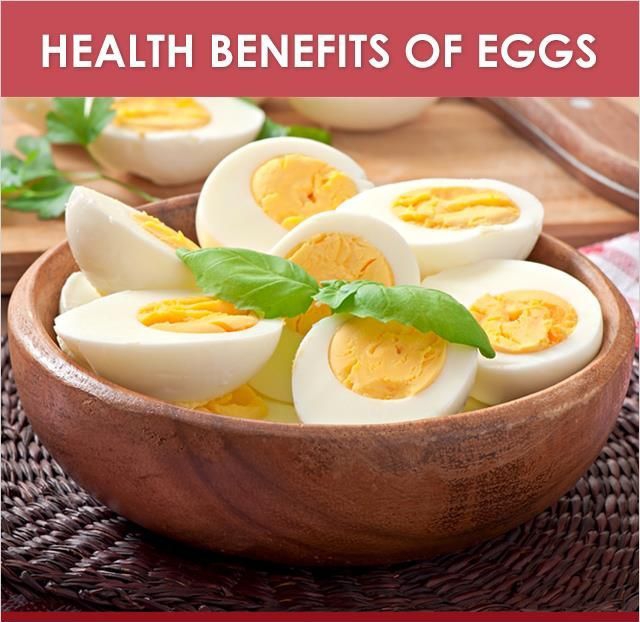

Boiled Eggs and Heart Health: Separating Cholesterol Myths from Scientific Fact
By Wisdom Ugochukwu Lambert
Throughout our health series on Gossiphome TV, we have explored the Top 10 Health Benefits of Boiled Eggs, evaluated cooking methods, compared yolks versus whites, created a 7-day meal plan, and analyzed nutrient timing. Yet, one major concern continues to hold people back from adding eggs to their daily routine: cardiovascular health.
For decades, public health guidelines urged adults to limit egg intake due to their high cholesterol content. Today, extensive clinical research has reshaped our understanding of dietary cholesterol and heart disease.
Let’s break down what actually happens to your heart and blood vessels when you eat boiled eggs daily.
1. Dietary Cholesterol vs. Blood Cholesterol: The Crucial Distinction
The foundational misconception about eggs stems from assuming that eating cholesterol directly elevates blood cholesterol.
-
How the Body Regulates Cholesterol: Your liver produces roughly 75% to 80% of the cholesterol circulating in your body daily, as it is vital for cell membranes, hormone synthesis, and Vitamin D production.
-
The Compensatory Feedback Loop: When you consume dietary cholesterol from whole boiled eggs, your liver senses the increase and compensates by downregulating its own internal cholesterol production. For approximately 70% of the population (“non-responders”), eating eggs results in minimal to no change in total blood cholesterol levels.
2. Boosting HDL (“Good”) Cholesterol
Boiled eggs consistently show a positive effect on High-Density Lipoprotein (HDL) levels.
-
Lipid Transport: HDL acts as a molecular scavenger in the bloodstream, collecting excess cholesterol from arterial walls and transporting it back to the liver for excretion.
-
Cardiovascular Defense: Higher circulating levels of HDL are associated with a reduced risk of atherosclerosis, plaque buildup, and coronary heart disease. Regular consumption of 1 to 2 boiled eggs per day has been shown to steadily elevate HDL particle counts.
3. Transforming LDL Particles: Quality Over Quantity
When analyzing Low-Density Lipoprotein (LDL)—often labeled “bad” cholesterol—particle size and density matter far more than overall particle concentration alone.
-
Small, Dense LDL vs. Large, Buoyant LDL: Small, dense LDL particles are easily oxidized and can penetrate arterial linings, contributing to inflammatory plaque. In contrast, large, buoyant LDL particles circulate harmlessly through the vascular system.
-
The Egg Shift: Studies indicate that consuming whole eggs helps shift smaller, higher-risk LDL particles into larger, safer LDL subtypes, effectively reducing cardiovascular risk profiles.
4. Antioxidants That Shield Blood Vessels
Beyond lipids, boiled eggs contain bioactive compounds that actively protect vascular tissue from oxidative stress and chronic inflammation:
-
Lutein and Zeaxanthin: These powerful carotenoids reduce systemic arterial inflammation and slow lipid oxidation, preventing cholesterol from hardening into arterial plaque.
-
Choline: Choline regulates blood levels of homocysteine, an amino acid that, when elevated, damages blood vessel linings and increases the risk of clot formation.
Heart Health Snapshot: Whole Boiled Eggs
| Cardiovascular Factor | Impact of Daily Boiled Egg Consumption |
| Total Blood Cholesterol | Minimal to zero change for ~70% of healthy individuals. |
| HDL (“Good”) Cholesterol | Consistently increased; promotes arterial clearance. |
| LDL Particle Quality | Shifts from small/dense (harmful) to large/buoyant (benign). |
| Systemic Vascular Inflammation | Reduced via yolk carotenoids (lutein, zeaxanthin) and choline. |
Special Considerations: Who Should Be Cautious?
While daily boiled egg consumption is safe and beneficial for most healthy adults, certain groups should monitor their intake:
-
Hyper-Responders: Approximately 30% of individuals are genetically predisposed to experience a modest rise in both HDL and LDL levels when consuming high dietary cholesterol.
-
Individuals with Type 2 Diabetes or Familial Hypercholesterolemia: Some observational studies suggest that high egg consumption in people with unmanaged Type 2 diabetes may correlate with higher lipid markers.
If you have pre-existing cardiovascular disease, diabetes, or a genetic lipid disorder, consult your physician or registered dietitian to determine the ideal weekly egg threshold for your specific profile.
The Verdict: A Heart-Smart Choice
When prepared without added butter, hydrogenated oils, or excessive sodium—making boiling the healthiest preparation method—eggs are a nutrient-dense, heart-supportive food. Paired with fiber-rich vegetables, legumes, and whole grains, boiled eggs play a valuable role in maintaining a resilient cardiovascular system.
Stay tuned to Latest Health Updates on Gossiphome TV for more evidence-based health tips, nutritional guides, and wellness updates.