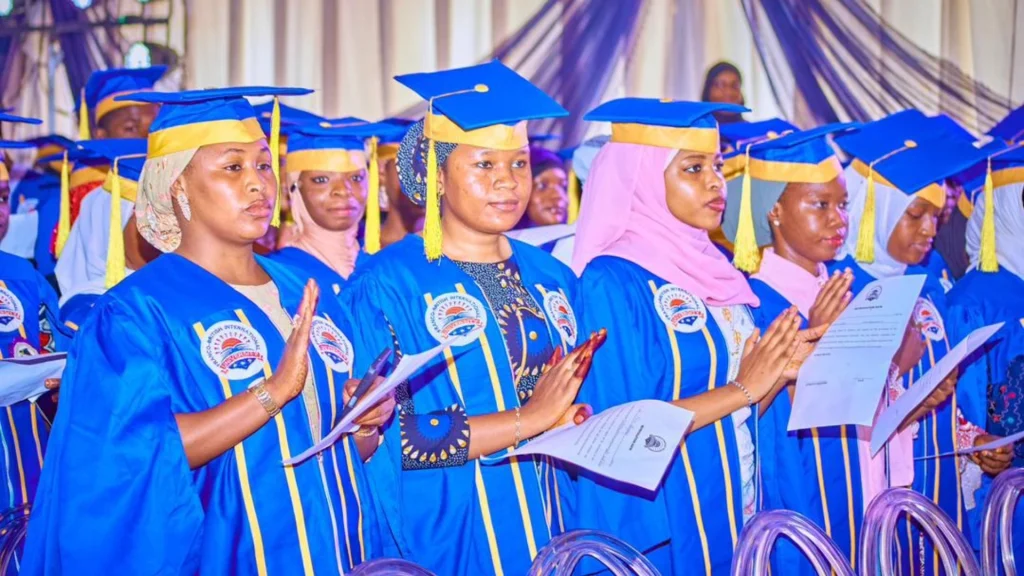

When private higher education was legalized in Nigeria in the late 1990s, few anticipated that Pentecostal and charismatic Christian ministries would become its dominant drivers.
Today, church-backed institutions represent a cornerstone of Nigeria’s private university landscape. Spearheaded by prominent clergy including Bishop David Oyedepo, Pastor Enoch Adeboye, and Pastor W.F. Kumuyi, these universities have fundamentally altered how higher education is structured, delivered, and perceived across West Africa.
1. The Operational Edge: Uninterrupted Calendars
The primary driver behind the surge in private university enrolments is academic stability. While federal and state universities periodically navigate industrial disputes, funding shortfalls, and union strikes, pastor-owned institutions run on strict, uninterrupted four-year calendars.
For parents and students, this predictability guarantees a set graduation timeline, providing a clear competitive advantage over public options.
2. Infrastructure & Specialized Research Dominance
Rather than serving purely as teaching centers, top pastor-backed institutions invest heavily in specialized research infrastructure:
-
Covenant University (Living Faith Church): Consistently leads private university research metrics nationwide. It maintains high industry income ratings through corporate tech partnerships, software incubation hubs, and stem research initiatives.
-
Redeemer’s University (RCCG): Houses the World Bank-backed African Centre of Excellence for Genomics of Infectious Diseases (ACEGID), which plays a crucial role in regional viral pathogen sequencing and biosafety research across West Africa.
-
Landmark University (Living Faith Church): Directs extensive capital toward agrarian research, mechanized farming, and bio-systems engineering to address regional food security.
ALSO CHECK: Top 10 Richest Pastors in Nigeria (2026): Net Worth, Ministries, and Global Influence
3. Character Formation & Campus Governance
Unlike traditional secular campuses, pastor-founded universities enforce strict behavioural codes. Mandatory dress codes, character building modules, entrepreneurship workshops, and compulsory chapel attendance form the core of daily campus life.
While these restrictions occasionally spark debate regarding individual student freedoms, they remain a key selling point for parents seeking structured environment controls alongside academic training.
The Broader Impact: Challenges & Future Outlook
Despite their success, pastor-owned universities continue to navigate critical socio-economic debates:
                            EMERGING INDUSTRY TRILEMMA
  ┌─────────────────────────┐  ┌─────────────────────────┐  ┌─────────────────────────┐
  │   Tuition vs Access     │  │   Faculty Retention     │  │  Academic Regulation    │
  ├─────────────────────────┤  ├─────────────────────────┤  ├─────────────────────────┤
  │ Balancing operational   │  │ Retaining top academic  │  │ Aligning religious      │
  │ costs with financial    │  │ talent against global   │  │ doctrines with open     │
  │ inclusivity for low-    │  │ brain-drain and foreign │  │ academic inquiry and    │
  │ income church members.  │  │ offers.                 │  │ research.               │
  └─────────────────────────┘  └─────────────────────────┘  └─────────────────────────┘
The expansion of pastor-owned universities has shifted Nigerian higher education toward a model where efficiency, modern infrastructure, and strict character governance sit at the forefront. As these institutions expand their international research footprints and postgraduate offerings, their role in shaping Africa’s future workforce continues to grow.





Pingback: Top 10 Duties and Rights of a Community Youth Leader - Gossiphome TV