Managing heart failure requires a carefully balanced regimen of targeted pharmaceutical therapies alongside precise dietary habits. While medications such as ACE inhibitors, ARBs, beta-blockers, and diuretics serve as the cornerstone of heart failure treatment, their effectiveness can be altered by daily food choices.
Inadvertent food-drug interactions can impair drug absorption, provoke severe electrolyte imbalances (such as hyperkalemia or hypokalemia), or amplify side effects like extreme hypotension. Understanding how these core drug classes interact with specific foods, beverages, and supplements is essential for preserving cardiovascular stability.
ACE inhibitors (e.g., lisinopril, ramipril, enalapril) and ARBs (e.g., losartan, valsartan, candesartan) work by relaxing blood vessels and lowering the heart’s workload. However, both drug classes cause the kidneys to retain potassium.
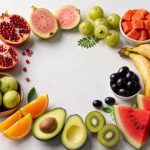
High-Potassium Foods & Salt Substitutes:Salt substitutes often utilize potassium chloride ($\text{KCl}$) instead of sodium chloride.Combining salt substitutes or excessive high-potassium foods (such as bananas, dried apricots, and dark leafy greens) with ACE inhibitors or ARBs can lead to dangerous hyperkalemia.
Empty Stomach vs. Meal Timing:Certain ACE inhibitors (such as captopril and moexipril) show reduced bioavailability when taken with food.Patients taking these specific agents are typically advised to take them at least 1 hour before meals.
Capsaicin Interactions:Spicy foods containing capsaicin can occasionally trigger or worsen the persistent, dry cough associated with ACE inhibitor usage.
Beta-blockers (e.g., carvedilol, metoprolol succinate, bisoprolol) slow the heart rate and lower blood pressure, protecting the myocardium from chronic stress.
Key Interaction Points:
Caffeine & Stimulants:High caffeine consumption (from energy drinks, concentrated coffee, or caffeine supplements) acts as a cardiac stimulant. This counteracts the therapeutic heart-rate-slowing effects of beta-blockers.
Bioavailability & Meal Synergy:
Carvedilol: Should always be taken with food to slow its absorption rate, which reduces the risk of sudden orthostatic hypotension (dizziness upon standing).
Metoprolol Succinate: Can be taken with or immediately following a meal, as food enhances its systemic absorption.
Mild Potassium Retention: Certain non-selective beta-blockers can slightly impair the movement of potassium into cells, warranting standard dietary potassium moderation.
3. Diuretics (Loop, Thiazide, and Potassium-Sparing)
Diuretics eliminate excess water and sodium through urine to alleviate pulmonary congestion and peripheral edema. However, different class variations affect electrolyte levels in opposite ways.
Overview of Diuretic Categories & Dietary Impact
Diuretic Class
Common Examples
Primary Mechanism
Key Food & Electrolyte Rules
Loop Diuretics
Furosemide (Lasix), Bumetanide, Torsemide
High-potency fluid removal via the loop of Henle
Potassium Wasting: Often requires consuming potassium-rich foods or supplements to prevent hypokalemia. Avoid high-sodium meals.
Thiazide Diuretics
Hydrochlorothiazide, Chlorthalidone
Moderate fluid removal via distal convoluted tubule
Potassium & Magnesium Wasting: Promotes potassium excretion. Requires monitoring of blood sugar and blood lipids.
Potassium-Sparing
Spironolactone, Eplerenone, Amiloride
Blocks aldosterone to excrete water while holding potassium
Potassium Retaining: High risk of hyperkalemia. Strictly avoid potassium-based salt substitutes and heavy potassium intake.
Broader Diuretic Food Rules:
Alcohol & Herbal Diuretics:Combining alcohol or natural herbal diuretics (e.g., dandelion extract) with prescription diuretics heightens dehydration risks, causes severe blood pressure drops, and stresses kidney function.
Natural Licorice Root: Contains glycyrrhizin, which causes sodium retention and potassium loss, counteracting diuretic therapy and raising blood pressure.
4. Other Essential Heart Failure Medication Interactions
Digoxin (Digitalis)
High-Fiber Meals: Taking digoxin alongside very high-fiber foods or bran cereal reduces its absorption, lowering blood drug concentration. Space fiber supplements or high-fiber meals away from digoxin administration.
Licorice & Electrolyte Shifts: Licorice-induced potassium depletion markedly increases the risk of digoxin toxicity, which can trigger dangerous ventricular arrhythmias.
Statins & ARB Formulations
Grapefruit & Grapefruit Juice: Grapefruit inhibits the intestinal CYP3A4 enzyme. When taken alongside certain statins (such as atorvastatin or simvastatin) or select calcium channel blockers, blood concentrations of the drug can rise to toxic levels, potentially causing severe muscle tissue breakdown (rhabdomyolysis).
Review Electrolyte Lab Work: Regularly check basic metabolic panels (BMP) to track serum potassium and kidney function markers ($\text{BUN}$ and creatinine).
Read Labels for Hidden Potassium: Avoid pre-packaged “low-sodium” products without checking ingredient lists for potassium chloride ($\text{KCl}$).
Keep Dosing Schedules Consistent: Take medications that require food (e.g., carvedilol) consistently with meals, and take medications affected by food absorption (e.g., captopril) on an empty stomach as instructed.
Summary
Dietary awareness is a fundamental component of heart failure pharmacotherapy. By understanding how key drug classes interact with electrolytes, fiber, caffeine, and enzyme inhibitors, you can ensure your treatment plan remains safe and effective. Always consult your cardiologist or pharmacist before making significant dietary modifications or introducing new supplements.
Stay tuned to Gossiphome TV for continued medical guides, dietary strategies, and health updates by Wisdom Ugochukwu Lambert.