
Top 10 Freedom Fighters in Nigeria and Their Legendary History
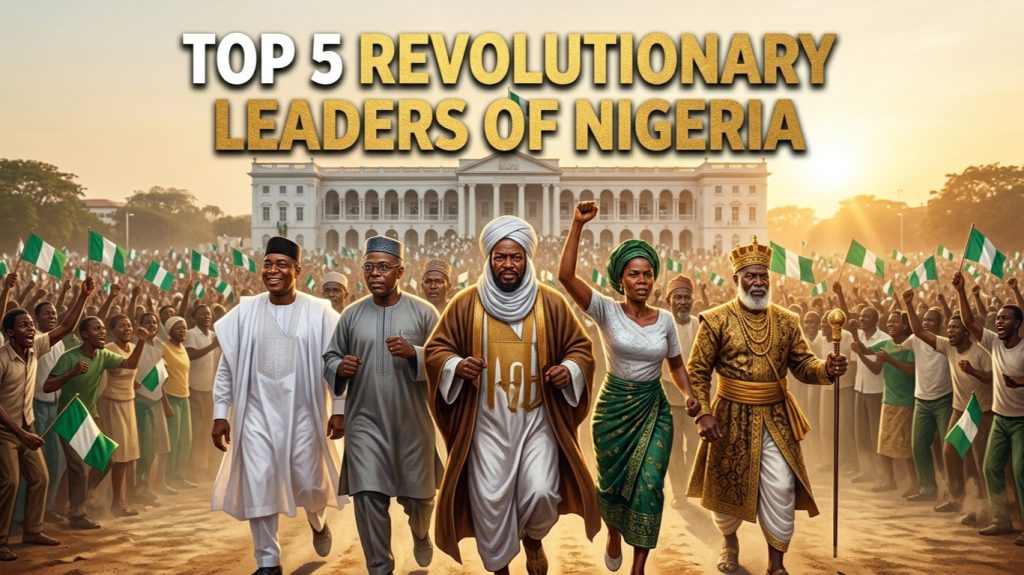
Nigeria’s journey to becoming a sovereign nation was not paved on a smooth road. It was forged through the relentless courage, sacrifice, and resilience of brave men and women who stood up against British colonial domination and domestic oppression. From radical nationalists and trade unionists to fierce women anti-colonial leaders, these individuals dedicated their lives to ensuring that the rights and independence of the Nigerian people were secured.
In this installment of our Prominent People Profile, Gossiphome TV spotlights the top 10 freedom fighters in Nigeria whose historical contributions shaped the destiny of the nation.
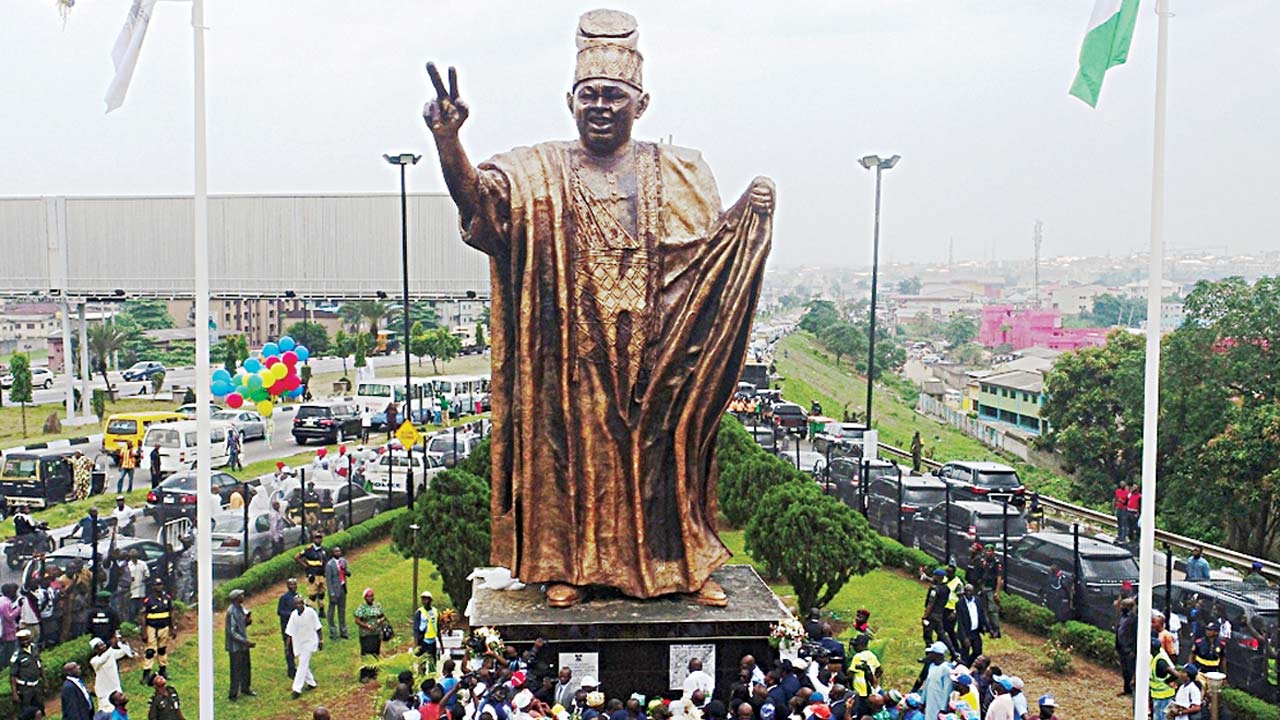
1. Herbert Macaulay (1864–1946)
Widely regarded as the “Father of Nigerian Nationalism,” Herbert Macaulay was one of the earliest champions against British colonial oppression. A civil engineer, journalist, and politician, Macaulay co-founded the Nigerian National Democratic Party (NNDP) in 1923 and later co-founded the National Council of Nigeria and the Cameroons (NCNC) alongside Nnamdi Azikiwe.
Macaulay used his newspaper, the Lagos Daily Record, to expose colonial corruption, fight against illegal land expropriation by the colonial government, and amplify the voices of indigenous Nigerians. He passed away in 1946 while on a nationwide anti-colonial campaign tour, leaving behind an indelible mark on Nigeria’s struggle for independence.
2. Dr. Nnamdi Azikiwe (1904–1996)
Affectionately known as “Zik of Africa,” Dr. Nnamdi Azikiwe was a titan of Pan-Africanism and a cornerstone of Nigerian independence. Educated in the United States, Azikiwe returned to West Africa with a vision to liberate black people through media, intellect, and political activism.
He established the West African Pilot, a newspaper that became a powerhouse for anti-colonial ideology across the region. As the leader of the NCNC, Azikiwe led diplomatic negotiations with the British government, ultimately becoming Nigeria’s first Governor-General in 1960 and the country’s first President when Nigeria became a republic in 1963.
3. Chief Obafemi Awolowo (1909–1987)
Chief Obafemi Awolowo was a brilliant lawyer, statesman, and visionary leader who played a pivotal role in the emancipation of South-Western Nigeria and the nation at large. As the founder of the Action Group (AG) party and the premier of the Western Region, Awolowo used political strategy and social advocacy to challenge colonial rule.
Awolowo pioneered free primary education and universal health initiatives in the Western Region, arguing that an educated population was the greatest defense against tyranny and colonialism. His contributions to the constitutional conferences that negotiated Nigeria’s freedom remain central to the nation’s history.
4. Sir Ahmadu Bello (1910–1966)
Sir Ahmadu Bello, the Sardauna of Sokoto, was a monumental political figure who spearheaded the political awakening and modernization of Northern Nigeria. As the leader of the Northern People’s Congress (NPC) and the first Premier of the Northern Region, he fought tirelessly to ensure his people were represented and prepared for self-governance.
Bello navigated complex regional dynamics during negotiations with the British crown, ensuring that the North transitioned into independence with strong institutional foundations, unified administrative structures, and educational institutions.
5. Funmilayo Ransome-Kuti (1900–1978)
Funmilayo Ransome-Kuti was a trailblazing suffragist, educator, and anti-colonial activist. Often called the “Lioness of Lisabi,” she organized the Abeokuta Women’s Union (AWU), mobilizing tens of thousands of women to protest against unfair colonial taxation and the autocratic rule of colonial-backed local authorities.
Her resistance was so powerful that it led to the temporary abdication of the Alake of Egbaland in 1949. Ransome-Kuti took her anti-imperialist campaign globally, advocating for women’s suffrage and national sovereignty until her later years.
6. Anthony Enahoro (1923–2010)
Chief Anthony Enahoro etched his name into the history books in 1953 when he became the first politician to move the historic motion for Nigeria’s independence in the Federal House of Assembly. Though his initial motion faced opposition from colonial authorities and regional divides, it set off an irreversible chain reaction toward self-rule.
Enahoro was an activist editor at a young age, serving as the editor of Nnamdi Azikiwe’s Southern Nigerian Defender at just 21. He was jailed multiple times by the British government for publishing anti-colonial editorials and speaking out against colonial oppression.
7. Pa Michael Imoudu (1902–2005)
Known as “Labor Leader No. 1,” Pa Michael Imoudu transformed the labor movement into one of the most effective anti-colonial weapons in Nigeria. As the leader of the Railway Workers Union and later the Trades Union Congress, Imoudu brought the colonial economy to a standstill during the famous 44-day General Strike of 1945.
Imoudu demonstrated that the working class held the ultimate leverage against imperial exploiters. His fearlessness in demanding fair wages and better conditions crippled colonial infrastructure and forced the authorities to respect Nigerian labor rights.
8. Margaret Ekpo (1914–2006)
Margaret Ekpo was a pioneering female politician and human rights activist from Eastern Nigeria. Recognizing the economic and political marginalization of women under colonial rule, she formed the Aba Township Women Association to mobilize women politically and economically.
Ekpo partnered with the NCNC and played an influential role in organizing strikes and protests against colonial abuses, including the tragic 1949 Iva Valley coal miners’ massacre in Enugu. She later became one of the few women elected to the Eastern House of Assembly during the First Republic.
9. Hajia Gambo Sawaba (1933–2001)
Hajia Gambo Sawaba was a fearless political activist and defender of the underprivileged in Northern Nigeria. Joining the Northern Elements Progressive Union (NEPU) at a young age, she campaigned vigorously against child marriage, forced labor, and political disenfranchisement in the North.
Despite facing severe persecution, including being arrested and jailed more than 16 times by both colonial and local authorities, Sawaba never wavered in her fight for liberty, civil rights, and the empowerment of women.
10. King Jaja of Opobo (1821–1891)
Though his fight took place in the late 19th century prior to the formal creation of modern Nigeria, King Jaja of Opobo stands as an early symbol of resistance against British imperialism. A former slave who rose to become a merchant prince and king of Opobo, Jaja completely dominated the palm oil trade in the Niger Delta.
When the British attempted to bypass his authority and enforce unequal trade agreements, Jaja fiercely resisted British economic domination. Unwilling to accept his sovereignty, the British deceptively captured him under a flag of truce in 1887 and exiled him to the West Indies, making him an enduring symbol of indigenous resistance.
The Legacy Lives On
The freedom fighters of Nigeria came from different regions, backgrounds, and walks of life, but they were united by a common conviction: that Nigerians deserved the dignity of self-determination. Their courage laid the foundation for the freedom enjoyed today.
Stay tuned to Gossiphome TV for more inspiring stories and in-depth profiles on iconic figures who shaped history.