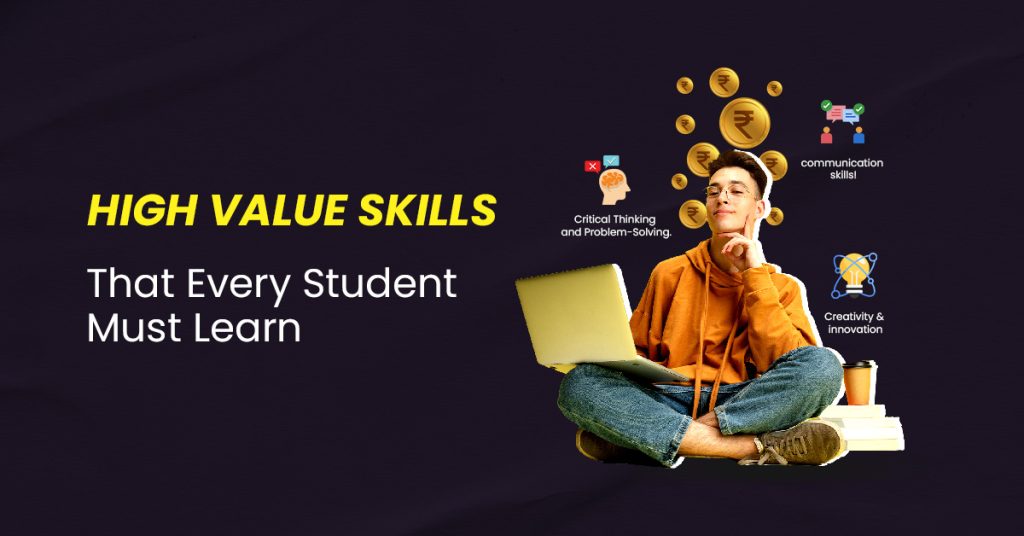

Top 10 Fields of Study for Students to Develop In-Demand Professional Skills
In today’s fast-paced job market, academic qualifications alone are no longer enough to secure a competitive career. Employers actively seek candidates who possess practical, high-value professional skills alongside their degree. Whether you are an undergraduate, fresh graduate, or a professional aiming to upskill, focusing on specialized, market-driven fields can elevate your career trajectory.
Below are the Top 10 Fields of Study every student should explore to build future-ready professional skills.
1. Data Analytics and Business Intelligence
Data is the lifeblood of modern decision-making across tech, finance, healthcare, and retail. Studying data analytics equips students with core technical capabilities, including SQL, Python, Excel, and visualization tools like Power BI and Tableau.
-
Key Skills Acquired: Analytical thinking, data visualization, predictive modeling, and evidence-based problem-solving.
2. Artificial Intelligence and Machine Learning
With AI transforming every industry, understanding generative models, prompt engineering, and machine learning fundamentals gives students a major competitive edge.
-
Key Skills Acquired: AI tool automation, algorithmic logic, prompt engineering, and ethical AI integration.
3. Digital Marketing and Content Strategy
As businesses shift online, digital marketing has become one of the most practical and versatile skill sets. Coursework in this area covers Search Engine Optimization (SEO), pay-per-click (PPC) ads, social media strategy, and web analytics.
-
Key Skills Acquired: Content creation, campaign management, consumer behavior analysis, and ROI measurement.
4. Software Engineering and Web Development
Building websites, mobile apps, and software systems remains an evergreen, high-demand career path. Learning core programming languages (such as JavaScript, Python, or Java) alongside front-end and back-end frameworks builds foundational technical literacy.
-
Key Skills Acquired: Full-stack development, version control (Git), code debugging, and software architecture.
5. UI/UX Design and Product Design
User Interface (UI) and User Experience (UX) design sit at the intersection of technology, psychology, and visual art. Studying UI/UX teaches students how to create intuitive, accessible, and engaging digital products.
-
Key Skills Acquired: User research, wireframing, interactive prototyping, usability testing, and design system creation.
6. Project Management and Agile Frameworks
Knowing how to deliver projects on time, within budget, and to specification is crucial in virtually every corporate setting. Studying formal project management methodologies—such as Agile, Scrum, or Waterfall—prepares students to manage real-world workflows.
-
Key Skills Acquired: Strategic planning, resource allocation, risk management, and cross-functional team coordination.
7. Business Communication and Public Speaking
Technical knowledge is only as effective as your ability to articulate it. Dedicated studies in professional communication teach students how to structure ideas, present confidently, and draft clear business proposals.
-
Key Skills Acquired: Persuasive speaking, active listening, business writing, and executive presentation.
8. Financial Literacy and Managerial Accounting
Understanding budgets, profit margins, cash flow, and cost management is essential whether you aspire to work in corporate leadership or start your own business.
-
Key Skills Acquired: Financial statement analysis, budgeting, forecasting, and commercial decision-making.
9. Cybersecurity and Data Privacy
As online threats become increasingly sophisticated, organizations prioritize protecting their sensitive digital assets. Studying cybersecurity exposes students to network safety, compliance, and threat mitigation.
-
Key Skills Acquired: Threat management, system auditing, network security, and compliance awareness.
10. Leadership and Emotional Intelligence (EQ)
Technical skills get you hired, but soft skills get you promoted. Studying organizational psychology and leadership development helps students build interpersonal maturity.
-
Key Skills Acquired: Team building, conflict resolution, emotional regulation, and strategic negotiation.
Final Thoughts from Gossiphome TV
Building a thriving career starts with taking active steps toward practical learning. By pairing theoretical education with hands-on skill development in these 10 essential fields, students can make themselves indispensable in today’s global economy.
Stay connected with Gossiphome TV for the latest updates on career development, technology trends, and global insights.






Pingback: How To Host Website on LyteHosting: Top Guidelines for Beginners - Gossiphome TV