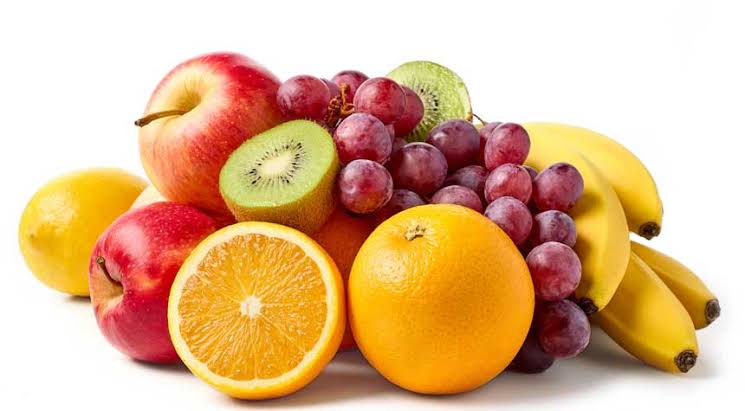
Your kidneys perform one of the most critical jobs in the human body: filtering waste, balancing fluid levels, regulating blood pressure, and keeping essential nutrients in check. However, poor dietary choices, chronic dehydration, high blood pressure, and diabetes can place immense strain on these vital organs.
While proper hydration and medical care are fundamental, incorporating nutrient-dense, low-potassium, and antioxidant-rich fruits into your daily diet plays a powerful role in supporting renal longevity.
Here are the top 10 best fruits to protect your renal health and keep your kidneys operating at their peak.
1. Red Grapes
Red grapes owe their vibrant deep hue to resveratrol, a potent flavonoid compound known to reduce inflammation in kidney tissues. Resveratrol helps shield the kidneys against tissue damage caused by oxidative stress and environmental toxins. Red grapes are also low in potassium, making them a safe, hydrating snack for everyday renal support.
2. Cranberries
Renowned worldwide for urinary tract health, cranberries are a major asset for kidney protection. They contain A-type proanthocyanidins, antioxidants that prevent harmful bacteria (such as E. coli) from clinging to the walls of the bladder and kidneys. By preventing urinary tract infections (UTIs), cranberries indirectly reduce the risk of secondary kidney infections.
Tip: Opt for fresh, unsweetened cranberries or 100% natural cranberry juice without added refined sugars.
3. Blueberries
Blueberries are frequently labeled a “superfood,” and their kidney-protective profile confirms why. Packed with anthocyanins, these berries help neutralize free radicals before they can damage delicate kidney filtering units (nephrons). Blueberries are naturally low in sodium, phosphorus, and potassium, making them ideal for maintaining electrolyte balance.
4. Strawberries
Rich in Vitamin C, manganese, and dietary fiber, strawberries offer a powerful antioxidant defense mechanism against chronic inflammation. Their high polyphenol content supports cardiovascular health and smooth blood flow—two crucial factors, as healthy blood circulation directly translates to efficient renal filtration.
5. Watermelon
Watermelon is roughly 92% water, making it an extraordinary natural flushing agent for the renal system. It helps flush out metabolic waste products and excess sodium through urine. Furthermore, watermelon contains lycopene, an antioxidant that protects kidney cells from oxidative stress.
Note: Because watermelon contains moderate potassium, individuals with advanced chronic kidney disease (CKD) should monitor their serving sizes with a clinical dietitian.
6. Apples
“An apple a day” really can keep kidney complications at bay. Apples contain pectin, a soluble fiber that binds to toxins and cholesterol in the digestive tract, aiding in their removal before they reach the bloodstream. By helping lower blood sugar and cholesterol levels, pectin indirectly minimizes stress on the kidneys.
7. Apples & Pineapple (The Tropical Guard)
For anyone needing to reduce potassium intake while enjoying tropical flavor, pineapple is a standout choice. Unlike many tropical fruits (such as bananas or oranges), pineapple is low in potassium. It is also packed with bromelain, an enzyme with anti-inflammatory properties that helps suppress swelling in renal pathways.
8. Raspberries
Raspberries contain ellagic acid, a compound shown to neutralize free radicals and reduce cellular damage in the body. They are low in potassium and sodium while offering high levels of dietary fiber, Vitamin C, and manganese—making them a well-rounded option for kidney-friendly meal plans.
9. Lemons & Limes
Citrus fruits like lemons and limes are rich in citric acid (citrate). Citrate helps prevent kidney stone formation by binding to calcium in urine, stopping calcium oxalate crystals from aggregating into solid stones. Adding fresh lemon or lime juice to water provides dual benefits: consistent hydration and active stone prevention.
10. Cherries
Cherries—particularly tart cherries—are packed with anthocyanins and cyanidin, antioxidants that significantly reduce uric acid levels in the blood. Lowering uric acid protects against gout and prevents the buildup of uric acid crystals in the kidneys, decreasing the risk of painful kidney stones.
At-a-Glance Comparison
Fruit
Key Antioxidant / Compound
Primary Kidney Benefit
Potassium Profile
Red Grapes
Resveratrol
Reduces kidney tissue inflammation
Low
Cranberries
Proanthocyanidins
Prevents UTIs & secondary infections
Low
Blueberries
Anthocyanins
Protects nephrons from free radicals
Low
Strawberries
Vitamin C & Polyphenols
Improves renal blood flow
Low
Watermelon
Lycopene & Water content
Natural fluid flush and detox
Moderate
Apples
Pectin (Soluble Fiber)
Binds and excretes digestive toxins
Low
Pineapple
Bromelain
Reduces systemic & renal inflammation
Low
Raspberries
Ellagic Acid
Cellular protection and high fiber
Low
Lemons/Limes
Citric Acid (Citrate)
Inhibits kidney stone formation
Low
Cherries
Cyanidin
Lowers serum uric acid levels
Low
Important Takeaways for Healthy Kidneys
Prioritize Hydration: Pair these protective fruits with clean, consistent water consumption throughout the day.
Mind Your Stage: If you have been diagnosed with late-stage Chronic Kidney Disease (CKD) or are on dialysis, consult your nephrologist or renal dietitian to tailor fruit portions to your precise daily potassium and fluid limits.
Avoid Added Sugars: Eat whole, fresh fruits rather than canned fruits in syrup or sweetened juices, as excess sugar can elevate blood glucose and strain kidney function over time.
Stay tuned to Gossiphome TV for the latest updates on health, wellness, digital trends, and global news.