
Consequential Adjustments Explained: How Minimum Wage Hikes Affect Mid-Level and Senior Civil Servants in Nigeria
By Gossiphome TV News Desk | November 18, 2026
Whenever Nigeria announces a new minimum wage—such as the jump from ₦30,000 to ₦70,000 in 2024, or the ongoing November 2026 push by labour unions for up to ₦300,000—millions of civil servants immediately ask one question: “I am already on Grade Level 08, 12, or 15; how much is being added to my salary?”
The answer lies in a critical but often misunderstood public-sector mechanism known as Consequential Adjustment. Without it, raising the pay of an entry-level cleaner or messenger would put their monthly salary almost on par with a university graduate or senior administrative officer. Here is Gossiphome TV’s clear breakdown of how consequential adjustments work, why they spark fierce union battles, and what mid-level and senior officers actually experience on their payslips.
What Is a Consequential Adjustment?
Legally, the National Minimum Wage applies strictly to the lowest-paid worker at the bottom of the ladder—Grade Level 01, Step 1 under the Consolidated Public Service Salary Structure (CONPSS). If the government simply raises Grade Level 01 from ₦30,000 to ₦70,000 without touching higher ranks, junior staff on Grade Levels 01 through 06 would suddenly earn more than mid-level officers on Grade Levels 07 and 08.
To preserve hierarchy, reward seniority, and maintain career incentives across the 17 civil service grade levels, the National Salaries, Incomes and Wages Commission (NSIWC) and labour unions (specifically the Joint National Public Service Negotiating Council, JNPSNC) negotiate consequential adjustments—upward pay revisions applied across Grade Levels 02 through 17.
How the Civil Service Ladder Is Structured (CONPSS)
Before looking at how adjustments are calculated, it helps to see how the mainstream federal civil service (and most state services) categorizes its workforce:
| Cadre | Grade Levels (GL) | Typical Entry / Role | 2026 CONPSS Base Range (Step 1 Annual) |
| Junior Cadre | GL 01 – GL 06 | Support staff, messengers, drivers, clerical officers (SSCE/trade certificates) | ₦930,000 – ~₦1.15M |
| Mid-Level / Professional | GL 07 – GL 10 | OND/NCE holders (GL 07), B.Sc./HND graduates (GL 08), Master’s (GL 09), Ph.D. (GL 10) | ₦1.28M – ₦1.81M |
| Senior Management | GL 12 – GL 14 | Principal and Chief Officers (GL 11 is skipped in most federal cadres) | ~₦2.2M – ~₦2.9M |
| Directorate Cadre | GL 15 – GL 17 | Assistant Directors (GL 15), Deputy Directors (GL 16), Directors (GL 17) | ₦3.01M – ₦6.92M |
(Note: Specialized sectors operate parallel structures such as CONMESS for doctors, CONHESS for nurses/health workers, and CONUASS for university lecturers, which follow separate consequential adjustment circulars.)
ALSO DOWNLOAD: Ynb 2nice Storms the Afrobeat & Afro-Fusion Scene with New Single “Find My Love”
Flat-Rate vs. Percentage Adjustments: The “Salary Compression” Controversy
Historically, consequential adjustments were negotiated as graduated percentages—giving a higher percentage boost to lower-middle grades (e.g., 23% on GL 07) and a smaller percentage to top directors (e.g., 10% to 14% on GL 15–17).
However, following the 2024 jump to ₦70,000, the Federal Government and JNPSNC implemented an approach that added roughly a flat ₦40,000 across core CONPSS grade levels—sparking major friction that continues into late 2026:
-
Massive Percentage Jump at the Bottom, Tiny Bump at the Top: Adding ₦40,000 to a GL 01 worker earning ₦30,000 represented a 133.3% raise. For a senior officer on GL 12 to GL 16 already earning ₦150,000 to ₦350,000 monthly, that same ₦40,000 translated to just an 11% to 26% gross increase—far below Nigeria’s cumulative inflation.
-
Erosion of Seniority Differentials (“Salary Compression”): When every rank receives nearly the same naira addition, the financial gap between a newly hired graduate (GL 08) and a seasoned Principal Officer (GL 12) shrinks dramatically, reducing motivation for rigorous promotion exams.
-
The Tax and Pension Bite: Unlike temporary non-taxable palliatives, consequential adjustments are folded directly into consolidated basic pay on the IPPIS payroll. That triggers automatic statutory deductions—including 8% Contributory Pension (PenCom) and higher PAYE personal income tax brackets—meaning senior officers take home noticeably less than the headline adjustment figure.
-
State-Level Delays: Even after Abuja releases an NSIWC circular, state governments must negotiate their own local consequential adjustment tables. In several states, governors announced a ₦70,000 to ₦85,000 minimum wage for junior staff months before finalizing consequential percentages for senior civil servants, local government staff, and teachers.
Why This Matters in the November 2026 Wage Negotiations
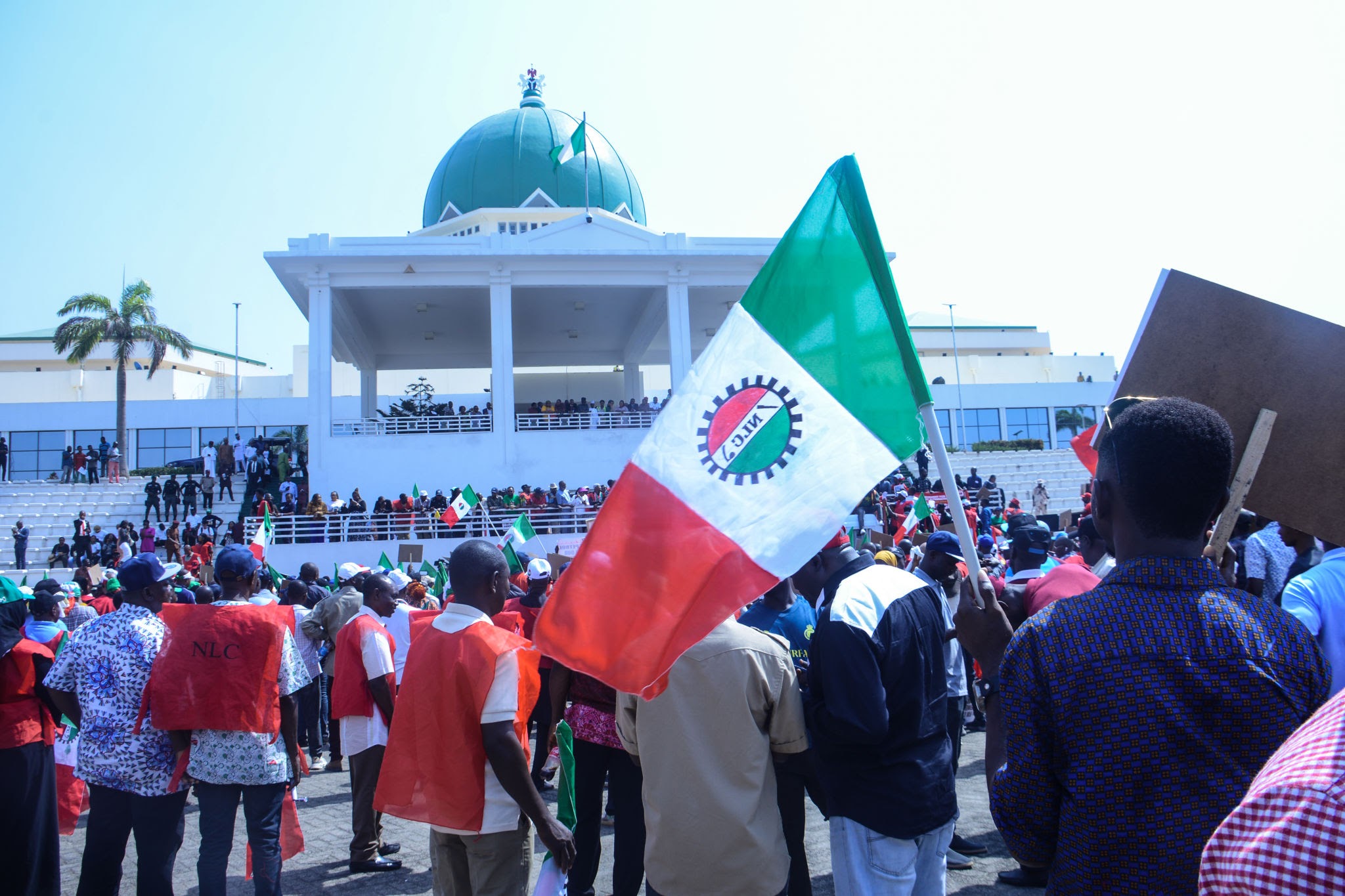
This exact issue explains why the Association of Senior Civil Servants of Nigeria (ASCSN) and the Trade Union Congress (TUC) have been so vocal in Abuja. When senior unions demand a new baseline—such as ₦300,000—or reject temporary transport allowances, they are fighting not only for entry-level workers, but also for graduated, inflation-indexed consequential adjustments that restore real purchasing power to mid-level professionals and directors.
Stay tuned to Gossiphome TV for clear, jargon-free breakdowns of Nigeria’s labour policies, salary updates, and economic news.