
Nigeria Minimum Wage Committee Review: Latest Updates, TUC Rejection, and Key Economic Trends
By Gossiphome TV News Desk | November 18, 2026
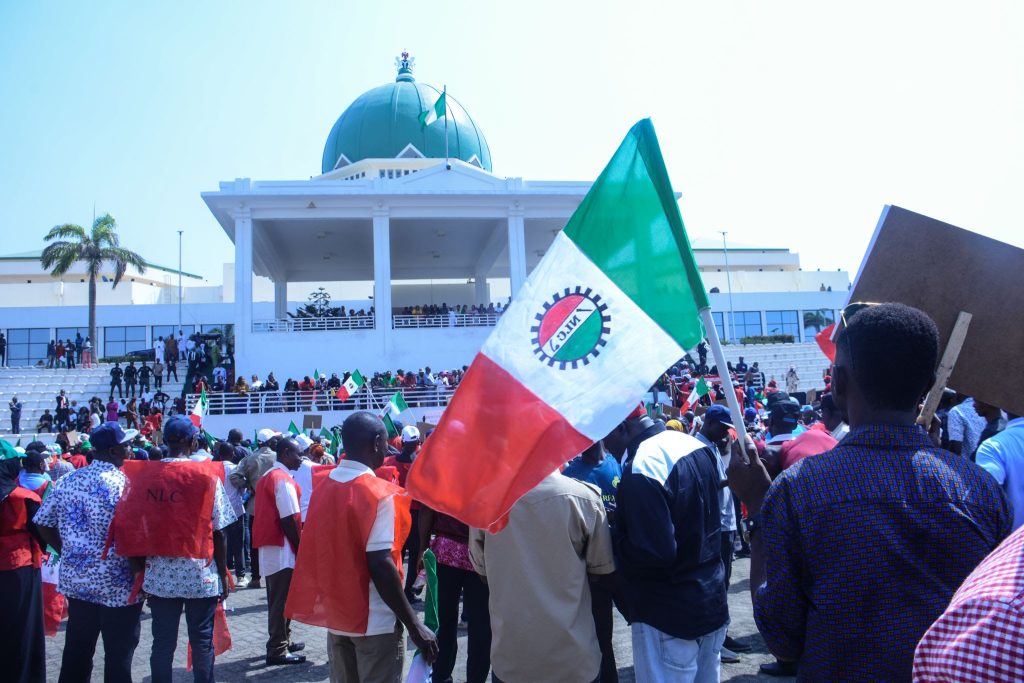
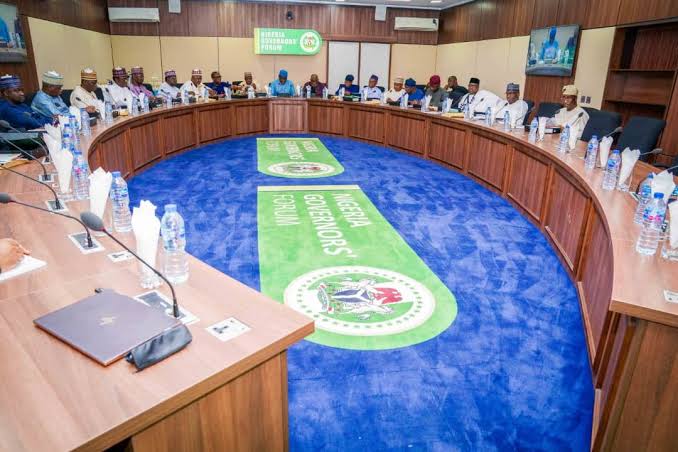
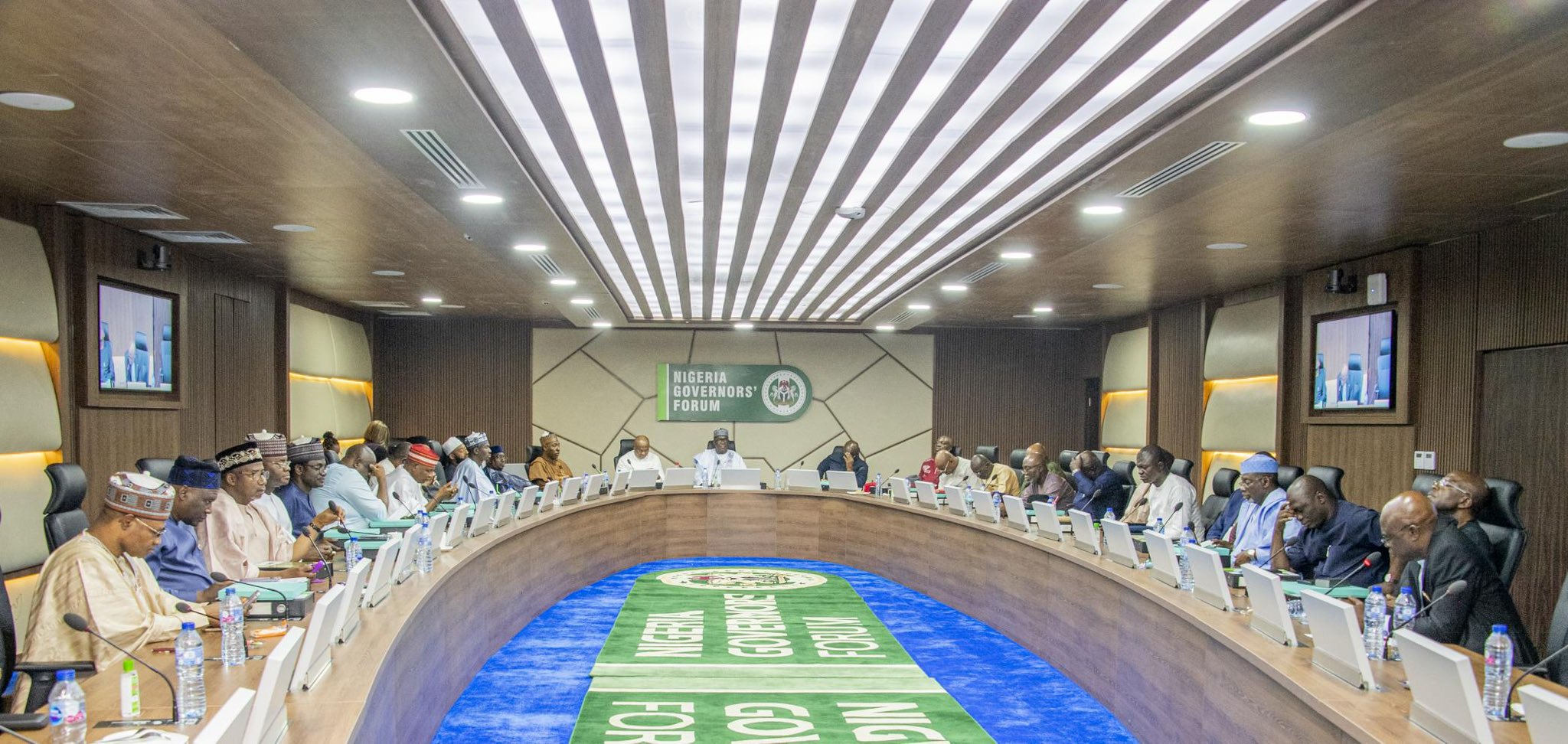
Nigeria’s labour landscape has entered another critical phase following the Federal Government’s decision to constitute a high-powered committee to review workers’ remuneration and address mounting agitation over the national minimum wage. After a high-stakes meeting in Abuja chaired by the Secretary to the Government of the Federation (SGF), Senator George Akume, and leaders of the Trade Union Congress (TUC) led by Comrade Festus Osifo, the government gave the newly formed panel a strict two-week deadline to submit actionable recommendations.
For millions of Nigerian civil servants and private-sector workers, the ₦70,000 minimum wage signed into law in July 2024 has been heavily eroded by persistent inflation, rising transportation fares, and soaring food costs. Here is a breakdown of the latest developments from the negotiation table and the major trends shaping the wage debate across the country.
Why the Federal Government Set Up the Review Committee
The immediate trigger for the November 2026 committee was a sharp disagreement over palliatives versus permanent pay raises. While the Federal Government proposed a temporary ₦70,000 monthly transportation allowance payable over six months to cushion economic pressures, the TUC flatly rejected the offer.
Union leaders argued that temporary allowances fail to provide long-term financial security, citing poor implementation of past relief packages like the 2023 wage awards. Consequently, the new committee—comprising representatives from the TUC, the Office of the SGF, the Head of the Civil Service, the National Salaries, Incomes and Wages Commission, and the Federal Ministry of Labour—has been tasked with auditing existing government interventions and charting a sustainable path forward.
4 Key Trends Defining Nigeria’s Minimum Wage Debate
| Trend | Current Reality | Impact on Workers & Policy |
| 1. Rejection of Temporary Palliatives | Labour unions are turning down short-term transport and wage awards. | Forces the government to consider structural salary adjustments rather than temporary cash buffers. |
| 2. Escalating Wage Demands | Unions like the Association of Senior Civil Servants of Nigeria (ASCSN) are pushing for up to ₦300,000. | Widens the negotiation gap between fiscal capacity and union expectations. |
| 3. State-Level Wage Disparities | Several states already pay between ₦75,000 and ₦104,000 monthly. | Creates pressure on the Federal Government to match or exceed subnational benchmarks. |
| 4. Pre-Election Political Pressure | Political rhetoric around 2027 polls has fueled viral misinformation (such as false claims of an approved ₦140,000 wage). | Heightens public scrutiny and demands transparency from both labour leaders and state officials. |
1. A Shift From Palliatives to Permanent Salary Structures
Organised labour has made it clear that temporary relief measures no longer inspire trust. By insisting on a direct salary review pending formal legislative amendments to the National Minimum Wage Act, unions are pushing for permanent adjustments that reflect current living realities and protect pension calculations.
2. Aggressive Upward Revisions in Union Demands
When the ₦70,000 benchmark was adopted in 2024, it represented a jump from the previous ₦30,000 rate. Two years later, affiliate unions such as the Association of Senior Civil Servants of Nigeria (ASCSN) are demanding a baseline of ₦300,000 for federal workers. Meanwhile, Nigeria Labour Congress (NLC) President Joe Ajaero has pointed out that subnational governments—including Imo State paying ₦104,000 and others paying between ₦75,000 and ₦100,000—have already surpassed the federal baseline.
3. The Legal Three-Year Review Cycle vs. Economic Urgency
Under the National Minimum Wage Act of 2024, the statutory minimum wage is scheduled for formal review every three years—putting the next statutory window in 2027. However, intense economic pressure has forced the executive branch to engage unions ahead of schedule, blurring the lines between interim consequential adjustments and a full statutory overhaul.
4. Navigating Misinformation Ahead of 2027
As Nigeria gears up toward the 2027 general elections, wage negotiations have become heavily politicized. Fact-checkers recently had to debunk viral claims suggesting a new ₦140,000 minimum wage had already been finalized. Until the newly constituted committee submits its two-week report and formal agreements are ratified, the statutory national minimum wage remains ₦70,000.
What Happens Next?
All eyes are now on Abuja as the joint government-TUC committee begins its two-week mandate. If the committee recommends a direct consequential salary increase, federal workers could see immediate relief before the end of the year. However, if talks deadlock over fiscal constraints, Nigeria risks another wave of industrial disputes heading into 2027.
For breaking updates on labour negotiations, politics, and economic news across Nigeria, stay tuned to Gossiphome TV.
To see how labour leaders and political analysts are reacting to the standoff over the ₦70,000 allowance and the push for higher pay, watch ₦300,000 Minimum Wage? TUC Rejects ₦70,000 Allowance As Labour Crisis Deepens.


Pingback: Nigeria Minimum Wage by State (2026): Full Breakdown of Who Pays Highest | Gossiphome TV
Pingback: Consequential Adjustments Explained: How Minimum Wage Hikes Affect Mid-Level and Senior Civil Servants in Nigeria | Gossiphome TV
Pingback: How Minimum Wage Hikes Affect Retired Nigerian Civil Servants' Pensions: DBS vs. CPS Explained | Gossiphome TV