
Beyond the Hype: Inside Tesla’s Unveiling, Flight Tests, and the Global Flying Car Race
Category:Latest Technology Updates
Introduction: From Sci-Fi Dream to Public Demonstration
In our previous feature, we explored the theoretical foundation, market pricing, and regulatory landscape surrounding Elon Musk’s ambitious vision for airborne personal transportation. The conversation shifted dramatically following Tesla’s official demonstration of the redesigned Next-Gen Roadster equipped with the SpaceX Package.
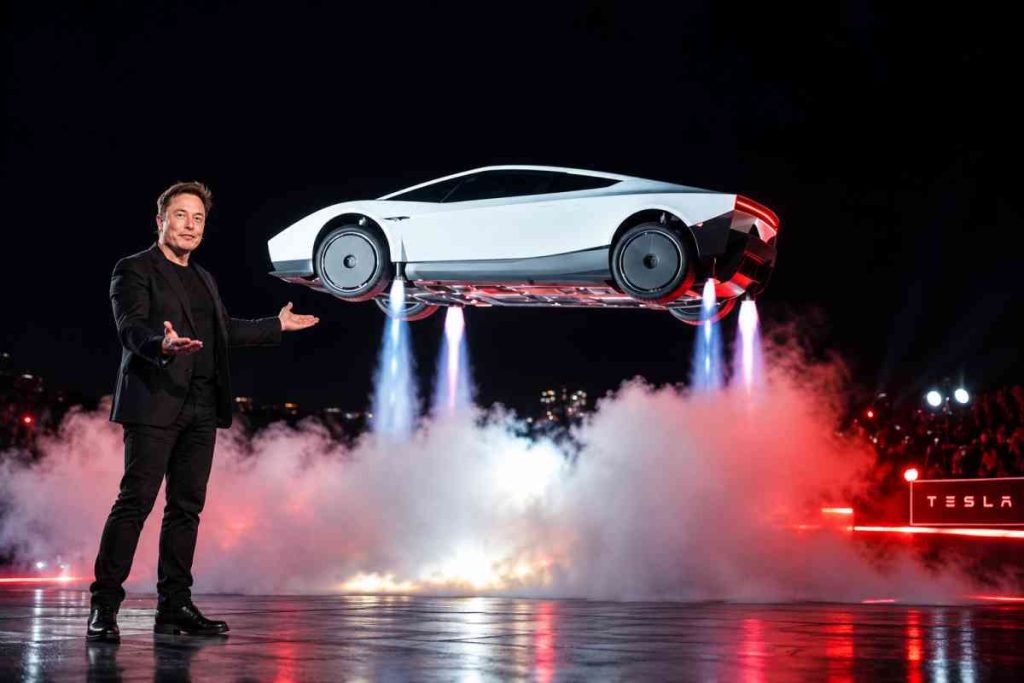
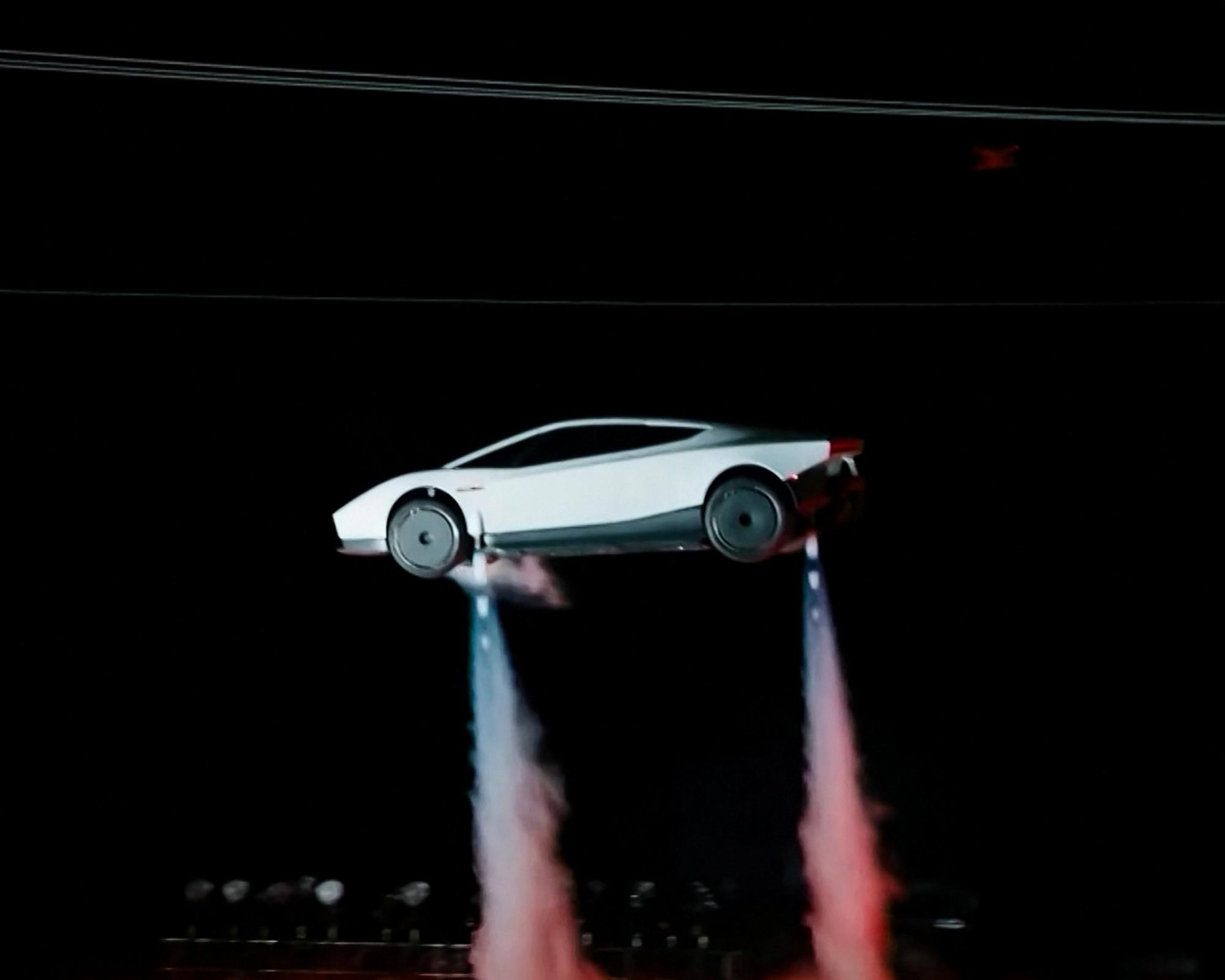
During the live showcase, the vehicle demonstrated cold-gas composite thruster capabilities by performing controlled airborne hops, brief levitation, and stabilization maneuvers. With Tesla slating production target dates around 2028, the distinction between traditional automotive driving and aerospace integration has reached a critical turning point.
1. Breakdown of the Unveiling: How the SpaceX Thruster System Works
The unveiled Roadster prototype relies on heavy engineering integration between Tesla’s electric drive technology and SpaceX’s cold-gas thruster systems.
                     [ High-Pressure COPV Air Tanks ]
                                    |
            +-----------------------+-----------------------+
            |                                               |
[ Ultra-Fast Rear Thrusters ]                   [ Vectoring Side Thrusters ]
 - 0 to 60 mph in <1 Second                      - Yaw & Pitch Stabilization
 - Instantaneous Thrust Assistance               - Controlled Short-Duration Hovers
Technical Highlights
-
Zero-to-Sixty Speed:Target sub-second 0–60 mph acceleration achieved through simultaneous electric motor torque and high-pressure cold-gas release.
-
Composite Overwrapped Pressure Vessels (COPVs): Integrated directly into the rear cabin space, replacing traditional backseats to store compressed air at extreme pressures.
-
Hovering Capabilities: Vectoring nozzles allow short, controlled vertical lifts and directional position adjustments over limited distances.
2. Competitive Landscape: SpaceX Thrusters vs. True eVTOLs
While Tesla focuses on thruster-assisted acceleration and short airborne hops, true electric vertical takeoff and landing (eVTOL) developers are advancing continuous flight models.
ALSO CHECK: How To Host Website on LyteHosting: Top Guidelines for Beginners
California-based startup Alef Aeronautics—backed by early SpaceX investors—recently marked over 1,000 logged flights with its Model A prototype, actively conducting hand-assembly for initial customer deliveries.
| Feature / Metric | Tesla Roadster (SpaceX Package) | Alef Aeronautics Model A |
| Primary Design Focus | Extreme speed hypercar with hop capabilities | True road-to-sky eVTOL driving/flying car |
| Flight Mechanism | Cold-gas compressed air thrusters | Distributed electric ducted propellors |
| Expected Price | $200,000 – $250,000 | ~$299,999 |
| Production Target | Planned low-volume rollout ~2028 | Hand-assembly in progress; early batches targeting delivery |
3. Global Timeline & Market Readiness
Timeline to Market:
[ 2026 ] ---> Alef Model A hand-assembly & early customer batch testing
[ 2027 ] ---> Expanded FAA/EASA air mobility flight corridor trials
[ 2028 ] ---> Target production window for Tesla Roadster SpaceX edition
Global Distribution & Infrastructure Readiness
-
North America: The United States remains the central hub for initial prototype testing, regulatory clearance with the FAA and NHTSA, and primary vehicle reservations.
-
Middle East (UAE & Saudi Arabia): Both nations lead infrastructure investment in urban vertiports and low-altitude radar navigation systems, preparing for early commercial flying car corridor tests.
-
Europe: European agencies maintain rigorous noise, safety, and pedestrian compliance protocols, which may require dedicated operating grounds for high-pressure thruster platforms.
What’s Next for the Flying Car Sector?
As transportation evolves, the industry is splitting into two distinct paths: hyper-performance road vehicles that utilize aerospace hardware for ground-breaking speed, and dedicated eVTOLs built for daily point-to-point air travel. With reservation channels active and real-world flight testing underway, the road-to-air transition is moving closer to reality.