
Elon Musk’s Flying Car Reveal: Fact, Fiction, and the Future of Aerial Mobility
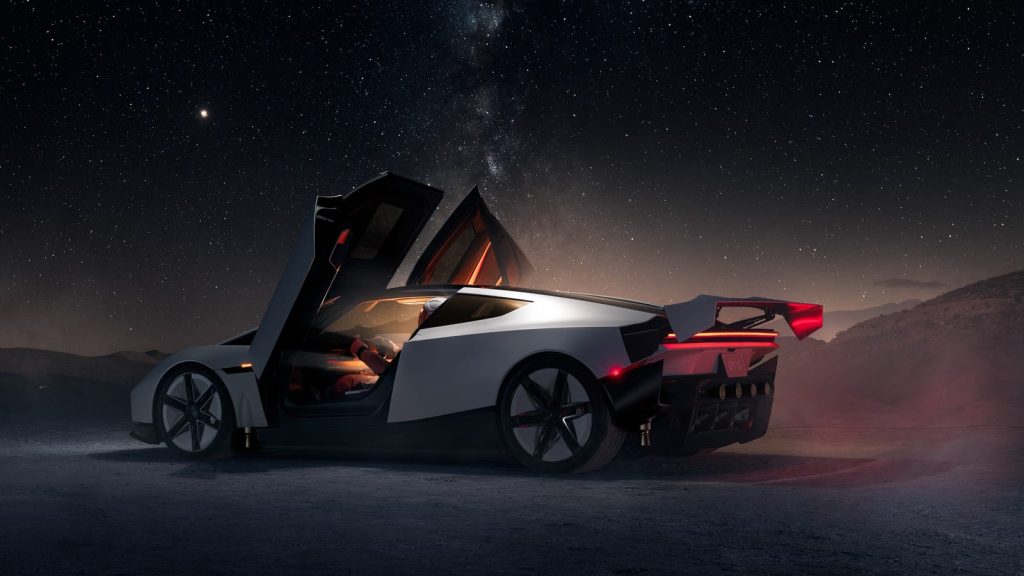
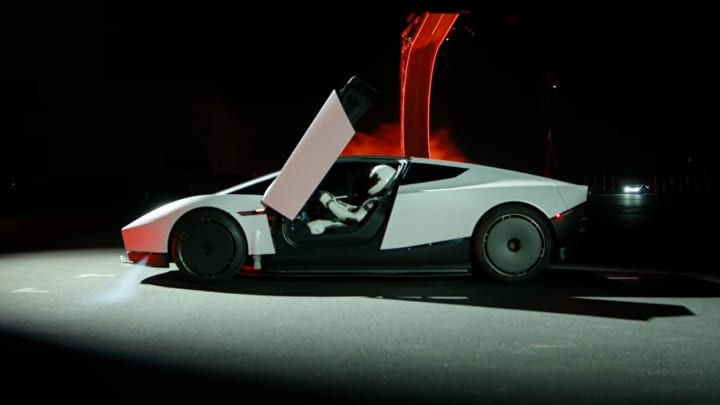
The line between science fiction and automotive engineering has shifted once again. Tesla CEO Elon Musk officially showcased the long-anticipated next-generation Tesla Roadster at a launch event in Waco, Texas. Featuring cold-gas rocket thrusters developed in collaboration with SpaceX, the demonstration offered the public its first concrete look at Tesla’s attempt to bring personal flight to commercial roads.
This milestone marks a bold direction for the EV giant, introducing novel engineering solutions while raising complex questions regarding safety, regulation, and production timelines.
1. How Tesla’s “Flying” Roadster Actually Works
Unlike traditional electric Vertical Takeoff and Landing (eVTOL) aircraft that rely on open rotors or enclosed propellers, the flying-capable Tesla Roadster utilizes cold-gas air thrusters.
-
SpaceX Cold-Gas Thruster Package: The system replaces the rear passenger seats with ultra-high-pressure composite air tanks.
-
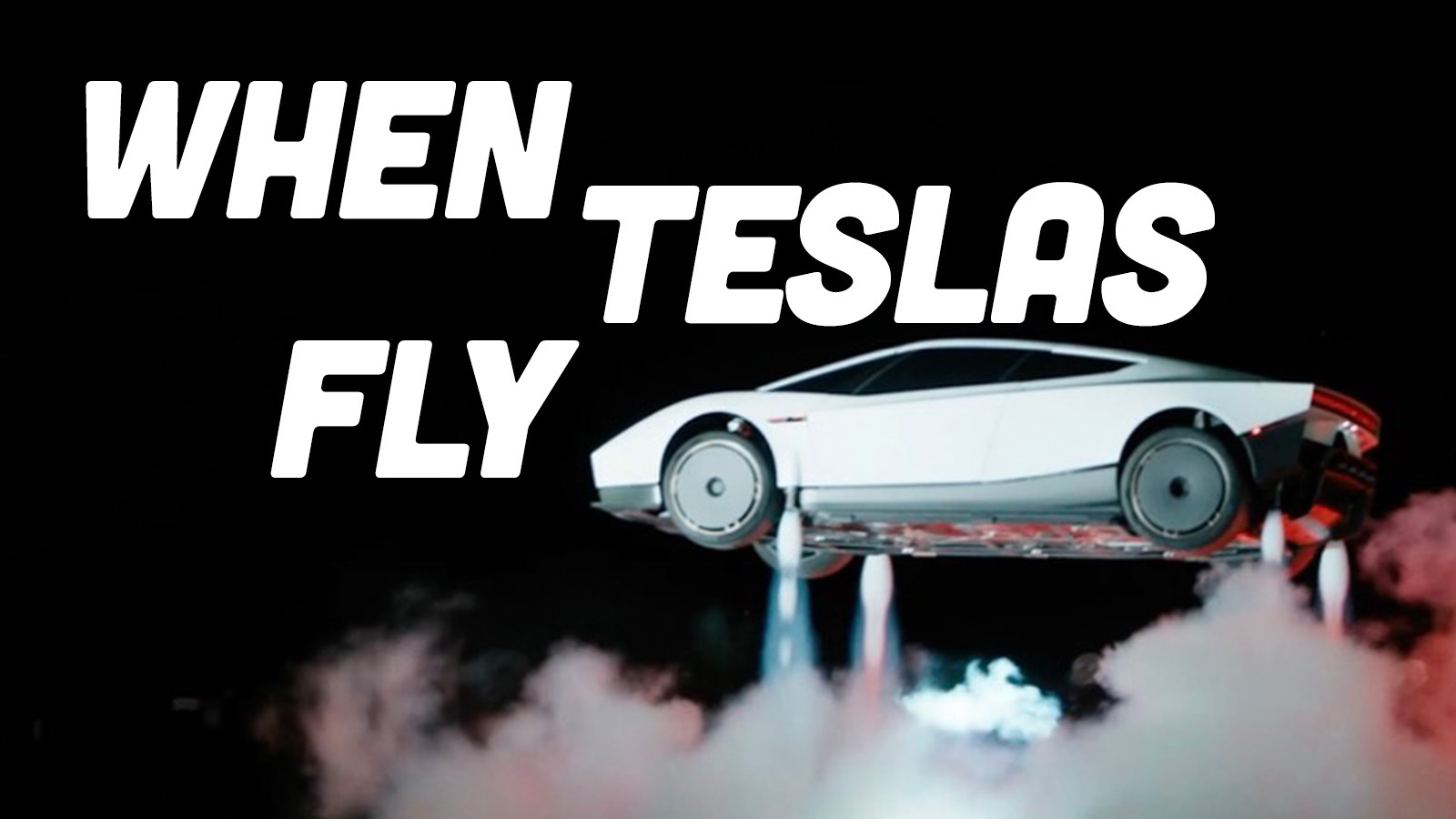
Short-Burst Propulsion: High-pressure air releases through directional nozzles located around the vehicle body, enabling brief vertical hops, stabilized hovers, and assisted maneuvers.
-
Extreme Acceleration Metrics: According to specs provided at the reveal, the SpaceX option package enables 0-60 mph acceleration in under 1 second, utilizing downforce and propulsion thrust simultaneously.
Musk stated during the event that while the core engineering operates as intended, achieving full commercial viability remains a work in progress.
2. Release Window and Production Timeline
While early projections hinted at a quicker turnaround, production for the thruster-equipped Roadster is targeted for 2028.
| Model Variant | Base Roadster | SpaceX Thruster Model |
| Primary Propulsion | Quad-Motor All-Electric | EV Drivetrain + Cold-Gas Thrusters |
| 0-60 Acceleration | ~1.9 seconds | Under 1 second |
| Target Production Year | 2027–2028 | 2028 |
| Reservation Status | Open ($5,000 deposit) | Limited Reservation / Waitlist |
ALSO READ: How To Host Website on LyteHosting: Top Guidelines for Beginners
3. Industry Comparison: Tesla vs. Alef Aeronautics
Tesla is not the only player seeking to redefine personal transport. California startup Alef Aeronautics has taken a parallel path with its FAA-certified Model A, creating a distinct contrast in how companies approach aerial driving.
+-------------------------------------------------------------------+
|                        FLYING CAR APPROACHES                      |
+-------------------------------------------------------------------+
|                                                                   |
|   TESLA ROADSTER (SpaceX Package)      ALEF AERONAUTICS (Model A) |
|   -------------------------------      -------------------------- |
|   • Cold-Gas Rocket Thrusters          • 8 Internal Electric Rotors|
|   • Short Burst Hovers / Hops          • Continuous eVTOL Flight  |
|   • High Highway Top Speeds            • Low Road Speed (LSV)     |
|                                                                   |
+-------------------------------------------------------------------+
While Alef’s model acts as a full-fledged flying car with a mesh frame housing internal propellers for sustained flight, Tesla’s approach focuses on short-duration aerial bursts to enhance traction, cornering, and obstacle clearance.
4. Regulatory and Safety Challenges
Transitioning rocket-assisted vehicles to public roads introduces major regulatory hurdles across federal and state agencies.
-
Department of Transportation (DOT) & NHTSA: Ensuring compressed air systems meet crash safety and pedestrian protection standards.
-
Federal Aviation Administration (FAA): Determining airworthiness certification requirements for vehicles operating off the ground.
-
Noise and Public Infrastructure: Managing high-decibel air discharge in residential zones.
Tesla’s official vehicle portal notes that the experimental thruster features are not approved for general road flight, meaning initial deliveries will likely restrict thruster engagement to private tracks or designated testing zones.
The Road Ahead
Tesla’s flying car unveil reflects a broader shift toward multi-modal personal transport. Whether through compressed air thrusters or distributed electric propulsion, the industry is advancing rapidly toward air-assisted mobility. As regulatory frameworks develop between now and 2028, the practical scope of personal air travel will become clearer.
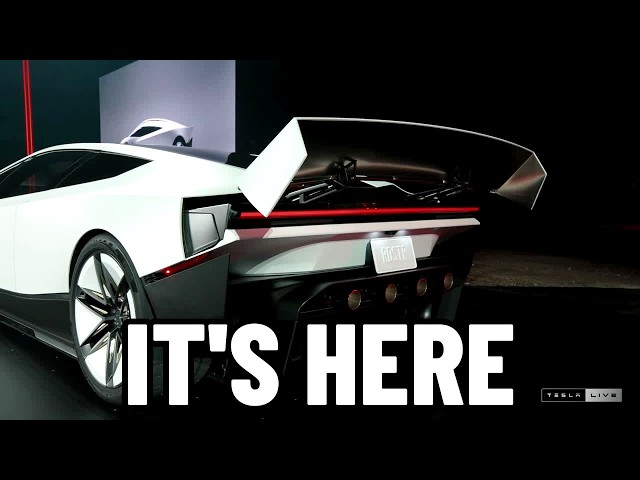
Watch this Tesla Unveils Flying Roadster with SpaceX Thrusters video to see the vehicle demonstration and acceleration capabilities shown during the unveil.